
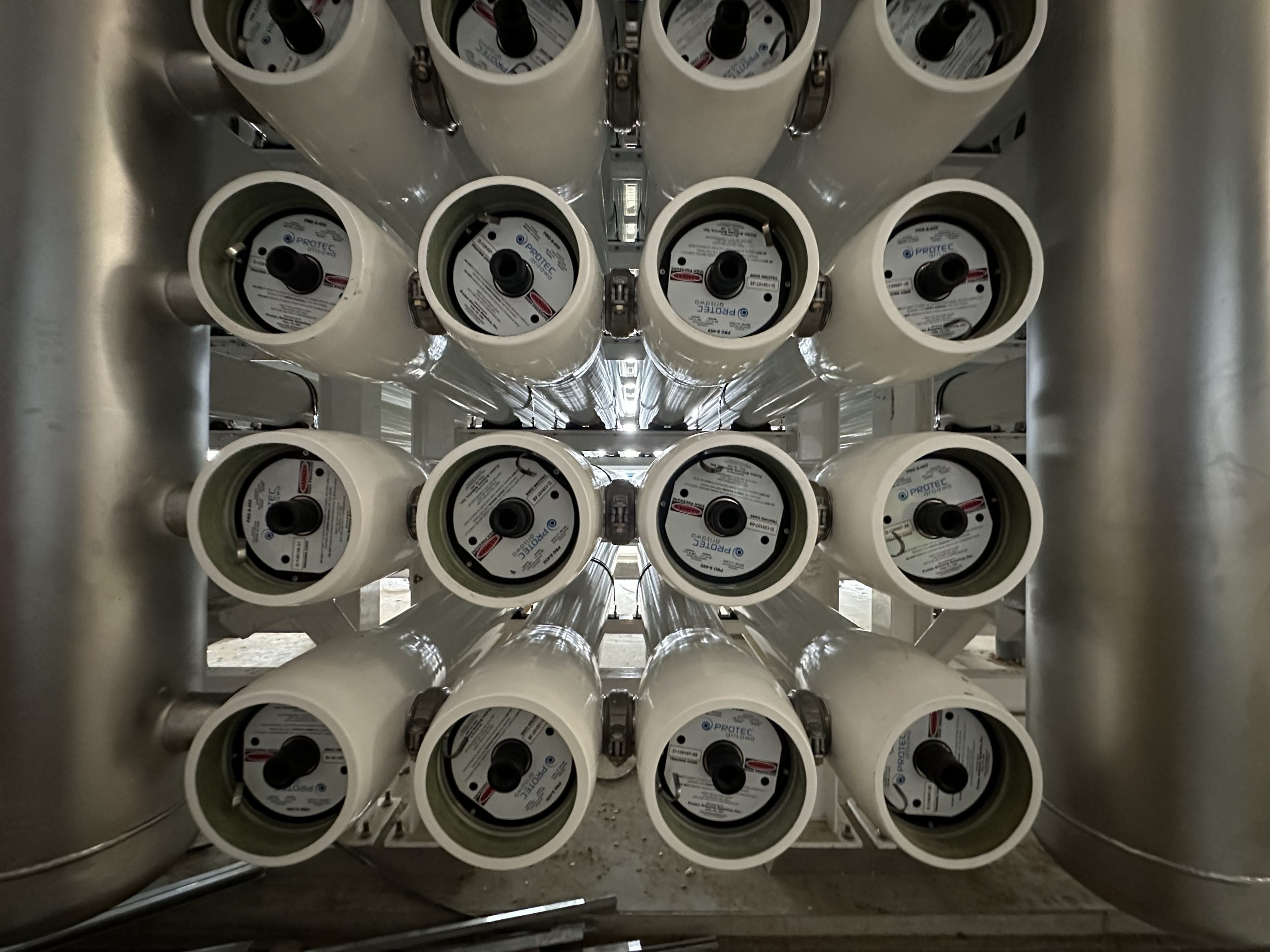
San Diego is working on a multibillion-dollar effort to turn our sewage into drinkable water, and yes, it’s completely safe.
The city is building a massive wastewater recycling system called Pure Water, which, when finished, will be able to turn 42 million gallons of wastewater into 34 million gallons of drinking water per day.
Currently, San Diego’s drinking water is imported from hundreds of miles away in the Colorado River and from a plant in Carlsbad that turns ocean water into drinkable water and also from the little rainfall the city sees each year. But those resources are becoming scarcer and less reliable.
Enter Pure Water: Once completed, the new wastewater recycling system will be able to produce extremely clean drinking water, while also easing the city’s reliance on outside resources for water.
Our MacKenzie Elmer dives into the history of how San Diego’s large amounts of sewage has become a burden for the city to get rid of, as well as the science behind turning all of that sewage water into drinking water.
Pure Water’s wastewater recycling system will tackle two birds with one stone: more drinkable water and less sewage getting disposed of in less-than-ideal ways.
More Water News South of the Border
While San Diego taps into its wastewater, Baja California is reviving its plans to tap into the ocean. The state’s long-stalled efforts to build a desalination plant in Rosarito are back on track.
Voice contributor Sandra Dibble reports that state officials expect to open up the project to prospective developers by the end of the year. The effort has been decades in the making and faced many hurdles in the past — from public pushback to litigation.
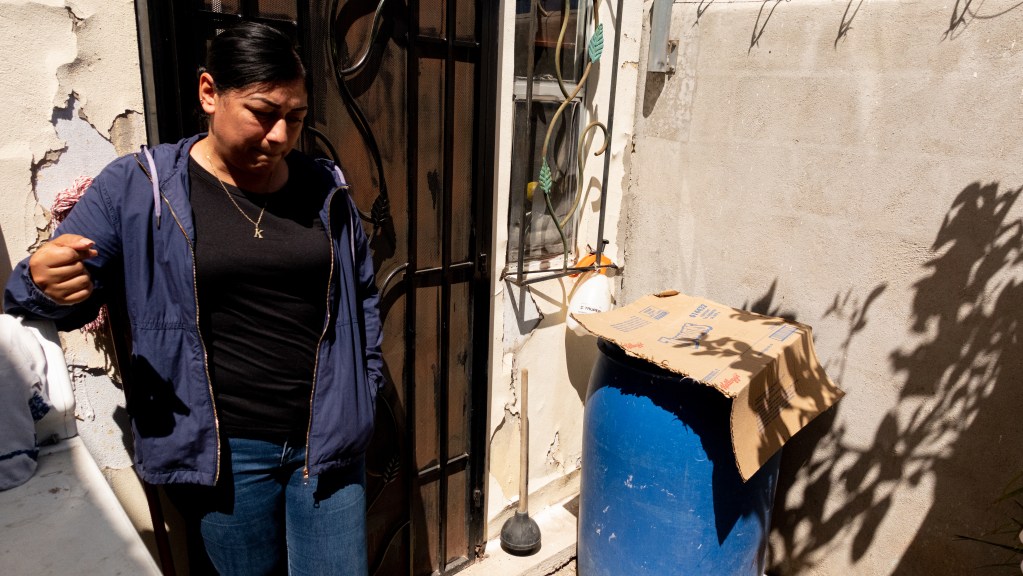
The pressure is on to deliver: Baja California’s coastal cities rely on the Colorado River for water and Mexican authorities are facing growing pressure to find alternative water sources as that supply shrinks. Tijuana residents have already dealt with water shutoffs in recent years, as our MacKenzie Elmer reported.
Dibble explains what Mexican officials are saying about the project and what they believe they can deliver this time around in the latest Border Report.
Another Shelter Crisis Vote

For the fourth time in nearly seven years, the City Council is expected to declare a homeless shelter crisis, a move that allows it to suspend certain laws to more quickly deliver beds for unsheltered San Diegans.
Today’s scheduled vote follows Council President Sean Elo-Rivera’s push during last week’s deliberations over a proposed 1,000-bed shelter to declare a broader homelessness emergency he hoped could help the city more quickly respond to the impending loss of hundreds of city shelter beds.
Yet Mayor Todd Gloria’s team wasn’t jazzed with that idea – or the repeat shelter crisis declaration.
Why they’re doing another shelter declaration: Nick Serrano, Gloria’s deputy chief of staff, wrote in an email to Voice of San Diego that city attorneys decided the city’s homelessness crisis didn’t cross a key legal bar to be considered a broader emergency and declaring it one would require city code changes, something he said the city is now exploring. Serrano said city officials are looking to Los Angeles, where Mayor Karen Bass declared a state of emergency on homelessness in 2022, as a model.
But, per Serrano: “If an emergency declaration on homelessness would have automatically unlocked more discretion, authority, or enhanced ability to get homeless shelters online or people off the street, we would have likely pursued it sooner.”
Not excited about today’s vote, either: “The city already has a shelter crisis declaration on the books,” Serrano wrote. “On Tuesday, the City Council will seek to update this declaration with new facts, but it will not provide any additional authority to address homelessness.”
Serrano acknowledged that the ongoing crisis declaration has made it easier for city staff to get shelters up and running.
Meanwhile: In their Power point for today’s City Council presentation, staff in the city’s Homelessness Strategies and Solutions Department noted that San Francisco used a declaration to clear procurement restrictions and that Los Angeles adjusted its code to clarify the facts that support an emergency declaration, the powers it gives the mayor and the authority the City Council wanted to approve.
In Other News
- UC San Diego Health announced it is ending negotiations with Tri-City Medical Center after nearly a year of discussions. The two parties could not come to an agreement on how much financial risk UCSD should assume in bringing Tri-City into its network. (Union-Tribune)
- A review of public grants issued by the San Diego County Board of Supervisors revealed that eight grants were given to seven nonprofits that can no longer legally operate since last year when supervisors decided to do away with the requirement that they approve grants in public. (Union-Tribune)
- A fire near the U.S.-Mexico border called the Border 65 fire was 60 percent contained as of Monday, according to Cal Fire. (Union-Tribune)
- Gov. Gavin Newsom on Sunday sent counties across the state letters scolding them for moving too slowly to implement a conservatorship expansion law. San Diego County Board Chair Nora Vargas responded with her own letter Monday saying the county remains committed to implementing the state law on Jan. 1 and fellow Supervisor Terra Lawson-Remer issued a statement emphasizing her past vote to immediately proceed with SB 43. Our Lisa Halverstadt has written about why the county decided not to immediately implement the law.
The Morning Report was written by Tigist Layne and Lisa Halverstadt.
Your blog has become an indispensable resource for me. I’m always excited to see what new insights you have to offer. Thank you for consistently delivering top-notch content!