
The latest state data shows that chronic absenteeism – when a student missed at least 10 percent of days in a school – has continued to drop in the years since the pandemic.
That’s likely a source of significant relief for school districts, which saw a shocking rise in the number of students missing school post-pandemic. Rates nearly tripled countywide after the pandemic.
That was bad news for a bunch of reasons. Firstly, many kids suffered from significant learning loss due to years of virtual instruction and badly needed to catch up. But they just couldn’t do that if they weren’t showing up. Secondly, because schools get funded in part by attendance rates, high levels of chronic absenteeism were likely taking a big chunk out of the money coming in.
Countywide, rates of chronic absenteeism dropped by 4.6 percent. San Diego Unified saw an identical drop, with its chronic absenteeism rate now sitting at 21.5 percent.
Drilling down: Many of the San Diego Unified schools with the largest year-to-year drops in chronic absenteeism are those with high levels of poverty. Part of that is likely because those schools’ levels of chronic absenteeism were significantly higher than those of wealthier schools, so they had more room to improve.
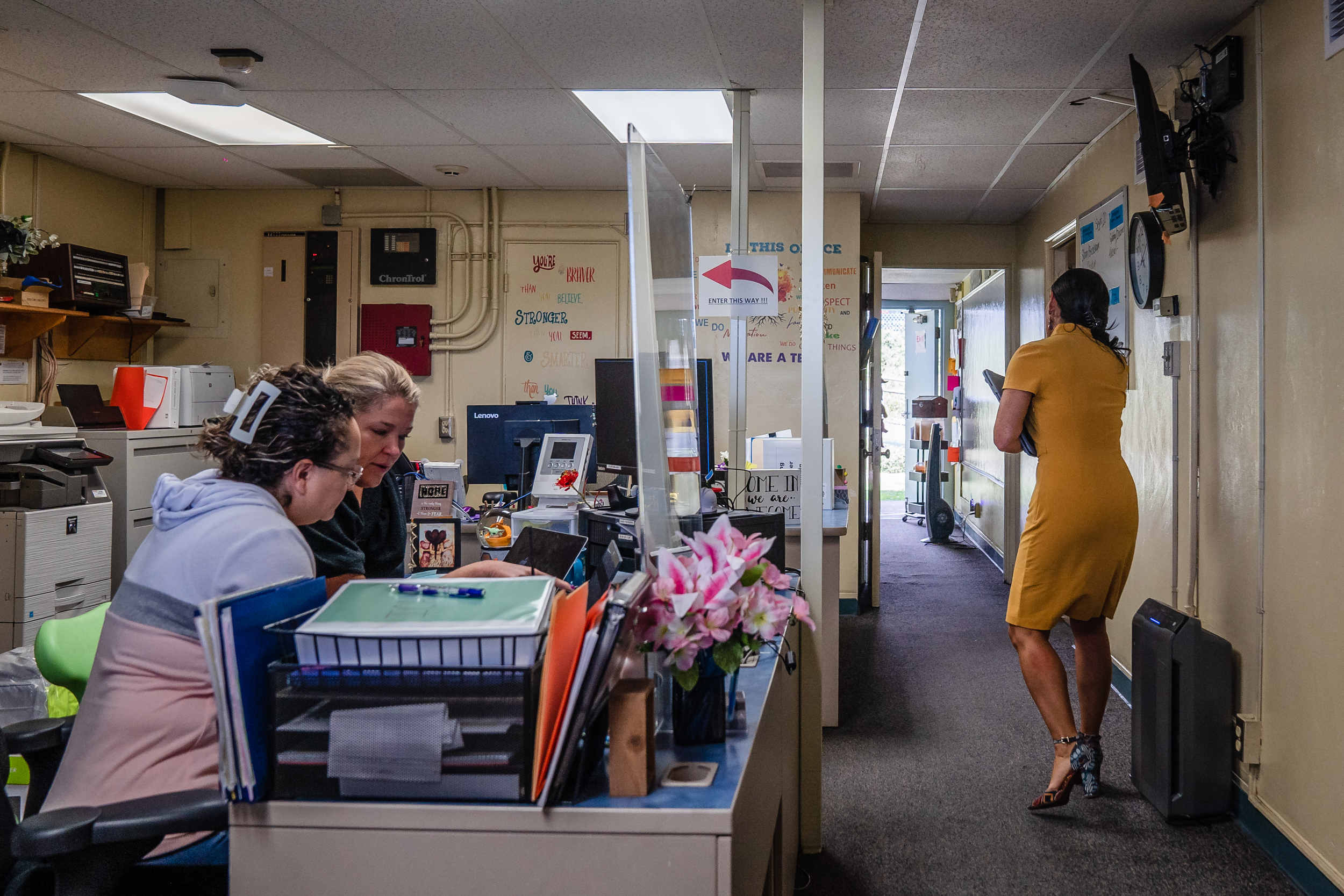
Still, it’s clear the work schools did to tamp down chronic absenteeism had an impact. For example, two of the schools with the highest chronic absenteeism drops were Horton and Fay Elementary – two schools that partnered with a countywide initiative aimed at bringing down high levels of chronic absenteeism.
I spent time with educators from both of those schools last year, and though their focuses differed slightly, they both worked diligently to implement research-backed strategies to decrease rates of chronic absenteeism. Those strategies included trying to make campuses more welcoming and school more engaging, more robust communication with families about why attendance is important and incentivizing kids to come via things like competitions with prizes. Looks like that work paid off.
Looking forward: While continued drops are certainly encouraging news, rates of chronic absenteeism countywide are still nearly twice as high as they were before the pandemic. Prior to shutdowns, San Diego County had a chronic absenteeism rate of about 11 percent. It’s currently around 20 percent.
That has troubled many experts who hoped the significant increase would simply disappear when students and families adjusted to the return to in-person instruction. Each child’s reason for being chronically absent is different, though many involve larger socioeconomic realities. For example, some families may not have transportation to take their kids to school, or some kids may need to work to help their families stay afloat.But the stubbornly high rates may signal that a cultural shift has occurred and that an increased number of families simply view school as more optional than they did before the pandemic.
While districts have made strides in combatting increases, further progress isn’t guaranteed. Many local districts have invested in strategies to drive down high rates, but with budget deficits rearing their ugly heads, it remains to be seen if those investments can be maintained over the long term.
Does your child attend a San Diego County school? Use the searchable table below to see how rates of chronic absenteeism have changed from the 2022-23 to the 2023-24 school year.