
Over the past 20 years, Voice of San Diego’s reporting has changed San Diego in ways big and small. But those changes aren’t due to some nameless, faceless entity. They’re because of the dedicated and talented reporters who have called this place home.
For you longtime readers, some of these names may ring a bell. For the newer devotees, they may help you better understand the ways Voice has evolved and the role we’ve played in San Diego for these two decades.
From editors to interns-turned-reporters to reporters-turned-visual journalists, here’s a rundown of what some of Voice’s most impactful – and memorable – staff have done, and where they ended up in their life after Voice.
Editor’s note: The responses have been edited for length and clarity.
Andrew Donohue (2005-2012)

Andrew Donohue was Voice’s first editor-in-chief. His writing was authoritative and helped drive home why the news of the day actually mattered. He edited stories armed with a printed-out copy of the piece, a clipboard and a red pen. With that, he trained a generation of investigative journalists. At the same time, he established the investigative ethos that has continued to guide Voice reporters in the 13 years since his departure.
He, alongside CEO and current editor-in-chief Scott Lewis, launched the first iteration of the VOSD podcast, which was then just a radio show in partnership with News Radio 600 KOGO. It has since become the most popular public affairs podcast recorded next door to 101 Ash.
Donohue is now the investigative editor at CalMatters.
He still uses the clipboard we gave him when he left.
What lessons did you take away from your time at Voice?
Everywhere you look in San Diego there’s a great story waiting to be told. (And we need more reporters out there to tell them.)
Will Carless (2005-2013)
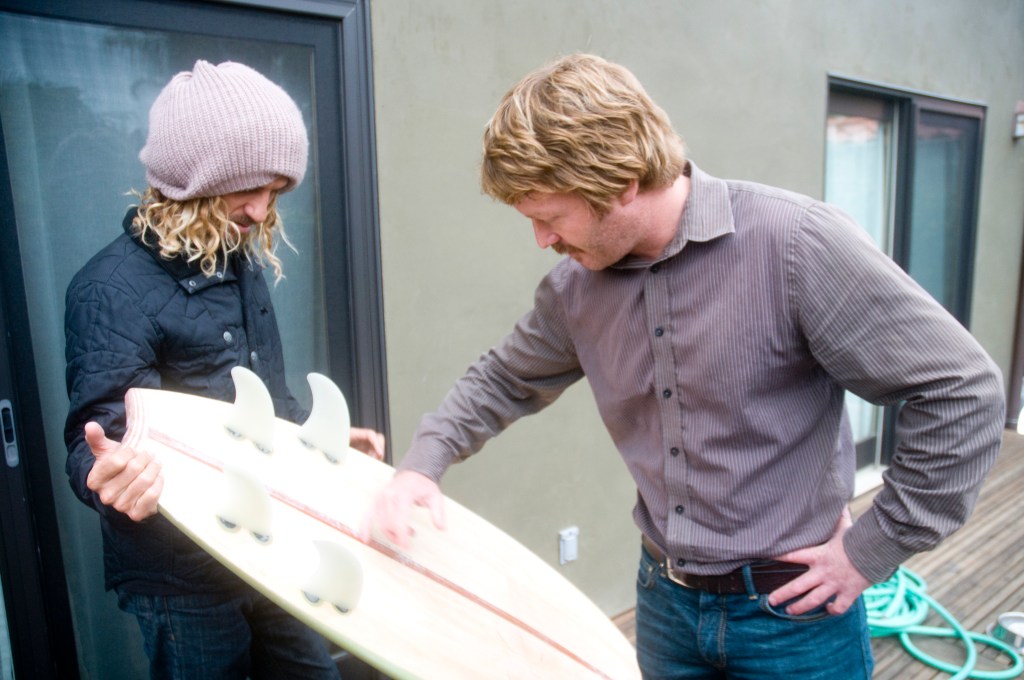
In his nearly decade-long run at Voice, reporter Will Carless covered damn near everything.
He began by digging into housing, kicking out captivating stories like one about the plight of homeless migrant workers living in the canyons of North County. On the politics front, Carless and Donohue broke one of the organization’s first big stories, an investigation into the Southeastern Economic Development Corporation that revealed a misconduct and eventually led to an FBI raid and charges against the organization’s leaders. And in the education-world, he revealed that thanks to a sketchy capital appreciation bond structure, Poway Unified School District taxpayers were on the hook to pay back nearly $1 billion in exchange for the $105 million the district borrowed.
What are you up to now?
I’m still in journalism! I’m currently a national correspondent covering extremism and emerging issues for USA TODAY and the USA TODAY Network. In the weeks to come, I’m launching an exciting video project. Basically, I travel around the country interviewing extremists and fringe personalities and trying to make sense of the current zeitgeist in American politics. I’m also still surfing a lot.
What lessons did you take away from your time at Voice of San Diego?
Honestly, too many to list. I worked at Voice on-and-off for 10 years, under some of the best editors to ever grace the organization. When I was first hired, it was my second ever job in journalism, and I feel like I came of age at Voice. The lessons I learned — including everything from rigorously fact-checking stories, to maintaining healthy skepticism towards those in power, to the mechanics of how to file FOIA requests, have served me well in the decade or so since I last worked there. I have taken those lessons across the world as a foreign correspondent, and employed them when interviewing presidents, neo-Nazis and Amazon tribespeople. I owe a lot to Voice, it’s a VERY special organization!
Evan McLaughlin (2005-2008)
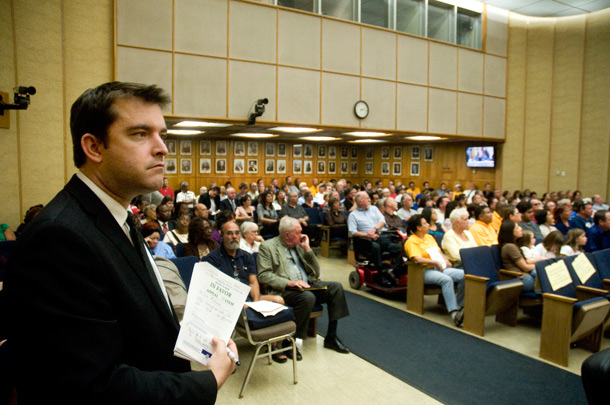
Evan McLaughlin and Voice had something in common – how green they were. McLaughlin was Voice’s first staff writer, and Voice was McLaughlin’s first gig out of college. But he quickly grew into a diligent City Hall and politics reporter, particularly with his persistent coverage of the trials connected to San Diego’s pension scandal.
What are you up to now?
I have been living in Sacramento since 2013, working mostly in state politics. In 2020, I left my post as chief of staff in the State Legislature (where I worked for San Diego-area Assemblymember Lorena Gonzalez) to consult for redistricting clients, political action committees, trade associations, labor unions, ballot measure campaigns, and (very rarely) candidates. For the past 18 months, I’ve been serving as political director for the California Professional Firefighters, which is the state council for 180 local firefighter unions around the state. My work frequently brings me back to San Diego, where I can typically be found chasing a new go-to spot now that will never live up to the Liar’s Club, Monkey Paw, and Hungry Stick.
How do you think San Diego will change over the next 20 years?
Whatever inhabitable land that isn’t on fire or under water will still go undeveloped because Point Lomans will complain about their view corridors, Nick Canepa will still be griping about the Chargers, and Steve Cushman will still be leading a task force to expand the Convention Center. So maybe not that much will change? Hopefully I’ll get to take a trolley to and from the airport by then.
Sam Hodgson (2005-2006, 2007-2011)
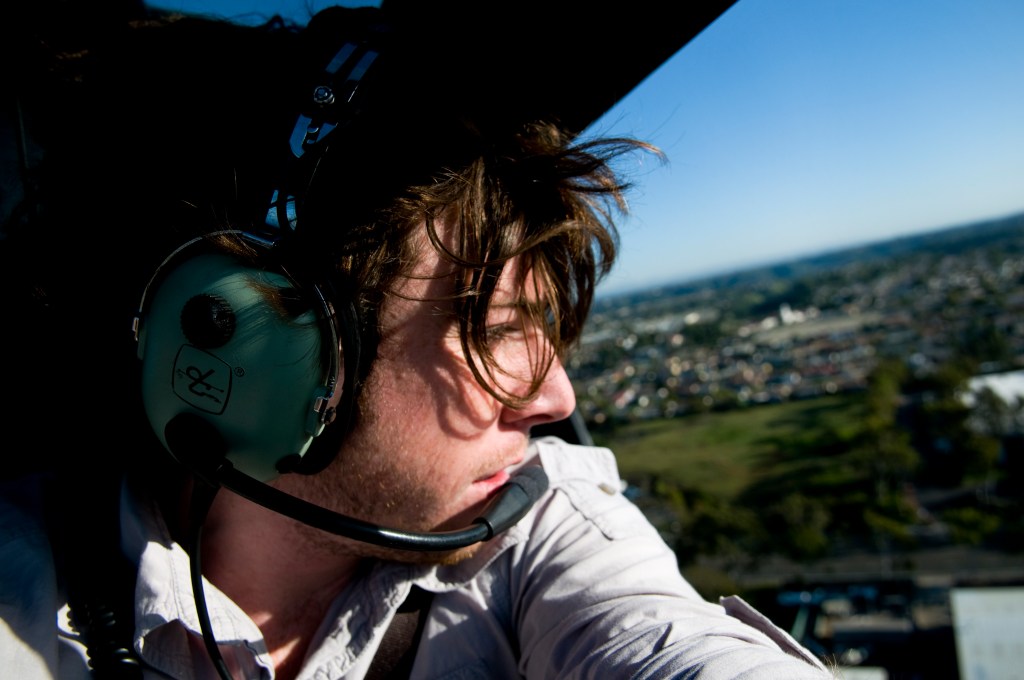
Sam Hodgson was Voice’s first-ever intern and started the long and proud history of the organization hiring interns into full-time positions. Hodgson started as a reporter, but his interest evolved over the years, and he began to focus more on photography. His contributions established Voice’s early aesthetic (heck, there was even a book!) and cemented the organization’s belief that there’s great value in pairing striking stories with striking images.
What are you up to now?
I live in Normal Heights with my wife Hailey (also a recovering journalist) and our two beautiful daughters, Ellis and Greer. After leaving my role as director of photography and video for The San Diego Union-Tribune, a local newspaper, I started a storytelling company called Uptown 11 Studios, named after the #11 trolley that brought passengers up to Adams Avenue in the early 1900s. We use the visual storytelling techniques learned on assignment for Voice, The New York Times, The U-T, and more to help San Diego’s community-minded organizations share their stories. Our journalism skills set us apart from other production companies or communications agencies because we’re laser-focused on telling real stories about real people. We don’t write scripts and storyboards or dream up stories in a meeting – we work on behalf of organizations to help them look within and share their true selves.
What do you hope to accomplish moving forward?
I love a question that looks ahead. We’ve just been going through the process of defining Uptown 11’s values, and one of them is “forward-thinking.” I’m laser focused on building a business that supports San Diego’s future. I think that mentality is in many ways shaped by my time at Voice. I started my internship in 2005, when I had just turned 21 years old. I began my career surrounded by people who cared deeply about our community and knew that trusted information flow was vital to its long-term health.
Rob Davis (2006-2012)

Rob Davis was Voice’s first ever water and environment reporter. He dug deep on issues of pollution, water usage and even animals killed by an obscure agency called Wildlife Services. Among his most important stories was his revealing that the CEO of the development corporation leading the charge on downtown’s facelift had serious conflicts of interest. In many ways, that story helped put Voice on the map. It led to the resignation of the corporation’s CEO and even some ink in The Gray Lady.
What are you up to now?
I’m a reporter covering the Pacific Northwest for ProPublica.
What was your favorite story you worked on while at Voice of San Diego?
My story with the most impact at Voice was likely our 2008 investigation into the conflict of interest that Centre City Development Corp. president Nancy Graham had with developers of a $409 million downtown condo project, which led to a criminal case, her no-contest plea and the project’s cancellation.
But my favorite was a quick story about a press conference I covered in my third week at Voice. Business leaders were trying to move San Diego’s airport to Miramar, which, of course, the military was already using. Airport leaders went to the Pentagon to talk to Navy leaders.
They came back and threw a comically impromptu press conference at baggage claim that made headlines for what the airport authority’s chairman said, but didn’t really mean: That the military would “cooperate” on the relocation plan. The Navy said no such thing. As soon as the word “cooperate” was uttered and questions flooded in, a more clear-headed airport executive drew his thumb across his throat: End it, he told someone.
It was a glorious little scene. I came back and told Scott Lewis about it and asked: Do we write it straight? “Airport official says Navy will cooperate” even though the panicked look on other airport officials’ faces told me it was obviously not true? Or can I have a little fun with it and tell a story about what really happened at the press conference and include the cut-the-throat gesture?
Tell the story, he said. I knew from that moment on that Voice would be different — unafraid to chart its own course, to tell stories that challenged authority, to peel back the curtain on a city power structure that desperately needed more from its press corps than a rote regurgitation of talking points from a press conference.
Kelly Bennett (2006-2013)

In the early 2000s, real estate and housing were booming. The financial crash and the great recession would soon take care of that boom, but not before Voice brought on Kelly Bennett to keep tabs on that Wild West landscape. As part of that beat, she uncovered a staggering real estate scam in which a ponytailed huckster purchased over 80 condos with rented-out identities only to default on the majority of the loans, leaving mortgage companies to close and the swindled with ruined credit. But Bennett didn’t just stick to housing and homelessness. By late 2010, she’d added arts and culture coverage to her beat, eventually creating The Culture Report newsletter.
What are you up to now?
I’m the head of investigations for an independent documentary company called Akelo Media. I served as investigative producer on the 2024 documentary Bodies for Rent, which aired on the Canadian Broadcasting Corp. I contributed reporting and oversaw fact-checking for the eight-part Gimlet Media investigative podcast The Disappearance of Nuseiba Hasan, released by Spotify in 2022. The Guardian named the series one of the 20 best podcasts of the year. I’m honored to have been selected for the 2025 cohort of the Banff Centre for Arts and Creativity’s “Literary Journalism” residency, where I plan to hone my narrative storytelling skills in service of a long-form magazine-style piece I’m working on. After I left Voice, I lived in Hamilton, Ontario, for eight years before happily making my way back to the West Coast, where I now live in Victoria, B.C.
What lessons did you take away from your time at Voice of San Diego?
Voice was my first full-time job in journalism and I think often, and fondly, of lessons I learned there: Don’t assume that readers/your fellow San Diegans are putting the pieces of a story together the way that you are. Share ideas with fellow reporters and ask often for advice and feedback to strengthen the story and find more people to talk to about it. Some of the best tips and ideas arise from running into people in real life or having lunch or coffee every so often. Context matters. Find ways to bring readers up to speed on a story’s developments while reminding them of how we got here.
Emily Alpert (2007-2011)

Emily Alpert was Voice’s first dedicated education reporter – and boy did she cover education. In the little over two years she worked at the organization, she published over 400 stories. Voice’s CEO and Editor-in-Chief Lewis referred to her as a “story factory.” Among that prolific output, Alpert revealed that despite a $106 million deficit and a freeze on district spending, San Diego Unified leaders spent federal money meant for socioeconomically disadvantaged students on conference travel and dining.
Liam Dillon (2009-2016)
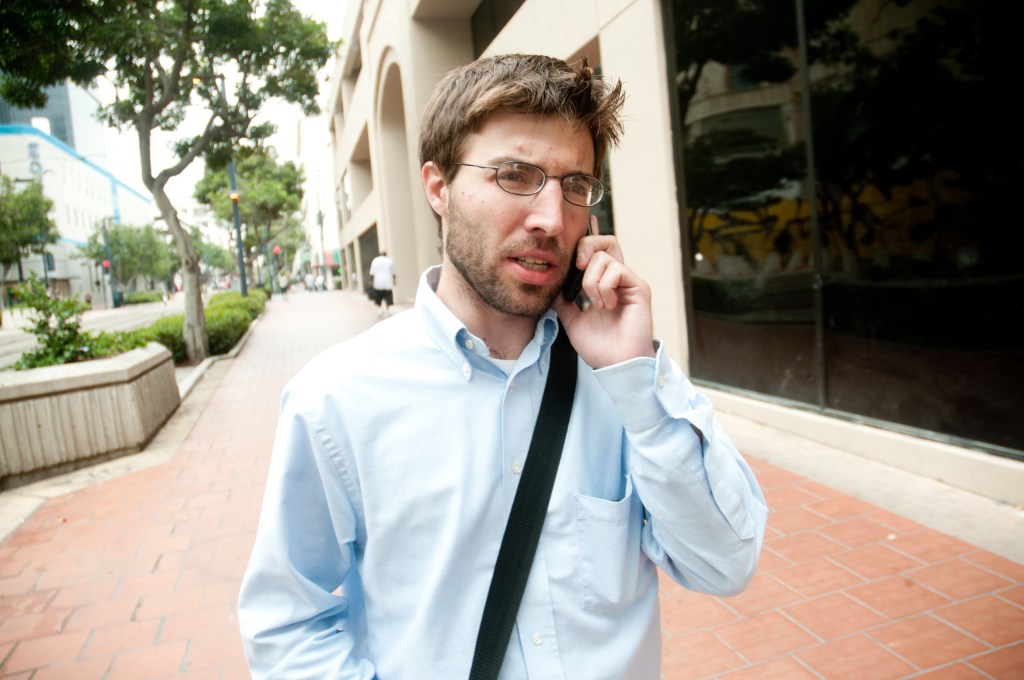
Liam Dillon was a tough City Hall watchdog reporter. He ruffled lots of feathers, notably including those of flame-out Mayor Bob Filner. While one of Dillon’s most impactful stories was his investigation into a wealthy and influential tow truck operators hidden criminal past, his revelation that City Hall could be covered through a neighborhood lens allowed him to build meaningful and lasting relationships with leaders in all sorts of San Diego communities, including those who’d historically been listened to the least.
What are you up to now?
I’ve spent the last nine (!) years since leaving Voice as a reporter for the Los Angeles Times. I started in our State Capital Bureau in Sacramento and moved to Los Angeles in 2019. When I started at the L.A. Times, I quickly became interested in housing issues. And that’s pretty much been my full-time beat ever since. My reporting has taken me to mansions in Silicon Valley enclaves, public housing in Houston, single-room-occupancy hotels in Skid Row, Jeff Bridges’ beach house in Malibu and even back to San Diego a few times. I’m grateful for the opportunity to write about one of the most fundamental parts of our existence — where we sleep at night — and how the rising costs of housing in California affects so many aspects of our lives. On a personal note, I met my now-wife in Sacramento. She’s from Imperial County and we had our wedding in Balboa Park. Some of my San Diego friends may remember that one of my claims to infamy was that I didn’t know how to ride a bike. I’m happy to report that I’ve fixed that problem. Most Sunday mornings, my wife and I pedal from our small one-bedroom apartment down the beach path to our favorite coffee shop.
What lessons did you take away from your time at Voice of San Diego?
At Voice, I learned to do journalism with, well, voice. In 2009, when I began at Voice, the prevailing view in this industry was to write with a view from nowhere. It was as if your perspective, life experiences and researched point of view had no place in your coverage. That always felt off to me. At Voice, we were encouraged and we embraced writing from a position of controlled and optimistic outrage. Things could be better than they are and it’s your job to point that out.
Writing with an investment in the community and desire to improve it breeds a passion that makes stories exciting and motivating for change. I’ve tried very hard to carry this lesson with me in everything I’ve done since, whether it’s written stories, social media, podcasts, TV and radio interviews or even conversations at community meetings and coffee shops. I’ve found that if you put yourself into your journalism and are transparent about where you’re coming from, then you gain what’s most valuable: readers’ trust.
Dagny Salas (2009-2013)
Like many Voicers over the years, Dagny Salas started in one role and then built an entirely new one for herself. Originally hired as an investigative fellow, Salas stuck around as a web editor. Essentially, she was a bridge between the audience and the stories reporters produced. Her example helped the organization understand that Voice is at its most relevant when there’s someone thinking about how to connect San Diegans with the stories our reporters produce.
Salas is now a deputy editor on the New York Times’ Metro desk.
Adrian Florido (2009-2011)
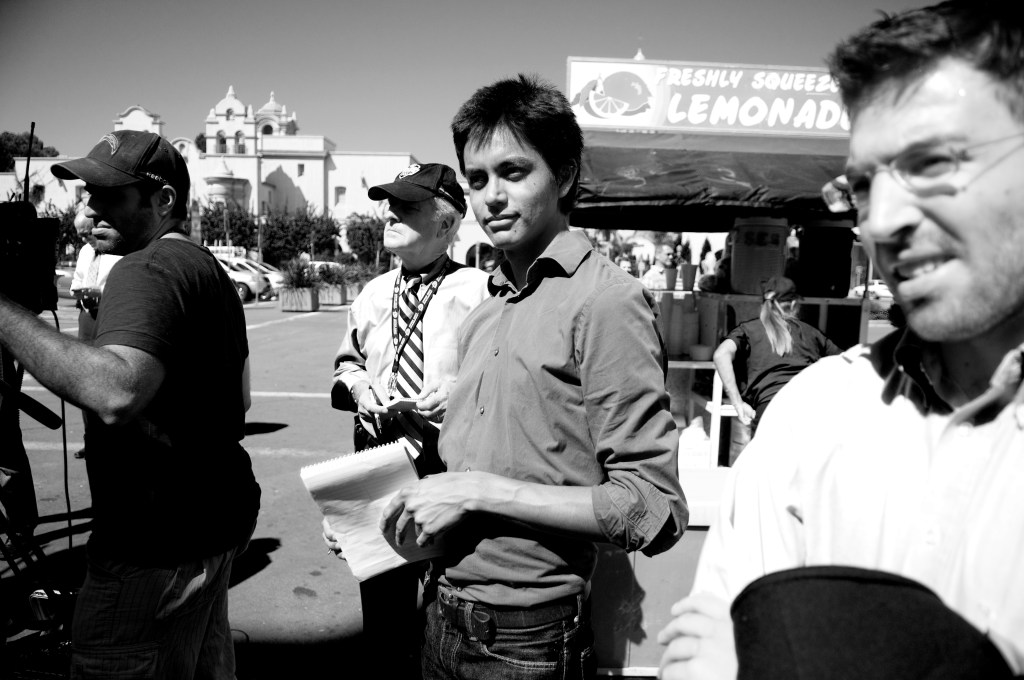
Adrian Florido originally started as an intern before being hired on to cover a newly created beat: neighborhoods. The idea for the beat was to cover the small things in people’s neighborhoods that make a big difference, and in doing so increase the organization’s relevance to people from all over San Diego. During his tenure he wrote about everything from roaming with goats in a puzzling little slice of unincorporated land called Lincoln Acres that’s completely surrounded by National City to the brewing tension between Barrio Logan’s industrial past and its unwritten future to the dueling visions for Balboa Park.
Florido is now a national correspondent for NPR.
Vladimir Kogan (2006-2008)
An intern who was brought on full time, Vladimir Kogan covered local politics and education, specializing in explanatory journalism that helped readers better understand the world around them. But like many Voice alums, he didn’t just do what was listed under his job description. Kogan came around at a time when the organization’s understanding of how to make the website do website things was still rudimentary. So, he bought a couple of books about coding websites and over one weekend taught himself html and CSS. Eventually, Kogan departed for grad school, where he studied political science. He wasn’t finished contributing to San Diego’s understanding of itself, however. In 2011, Paradise Plundered, a book he co-authored dissecting San Diego’s pension and fiscal crisis, was released.
What are you up to now?
I’m now a political science professor at Ohio State University.
What lessons did you take away from your time at Voice of San Diego?
In the years since I’ve worked at Voice, I think I have come to appreciate even more the importance of local journalism (including at the time our rivals at the Union-Tribune.) The decline of traditional legacy newspapers has been nothing short of devastating over the past 20 years. I think it’s one reason that our politics has become so nationalized – the stories that people hear about on social media or cable news are by definition national, and so everything gets interpreted through the same national lens. Yet there are many important local stories that directly affect individual communities but don’t fit into the national zeitgeist of the moment. Far fewer of these stories are now getting told, and it has a huge impact on our society and our democracy. Finding new business models for sustaining truly local journalism, including innovative nonprofit models that Voice pioneered, is more important than ever.
Sara Libby (2012-2021)
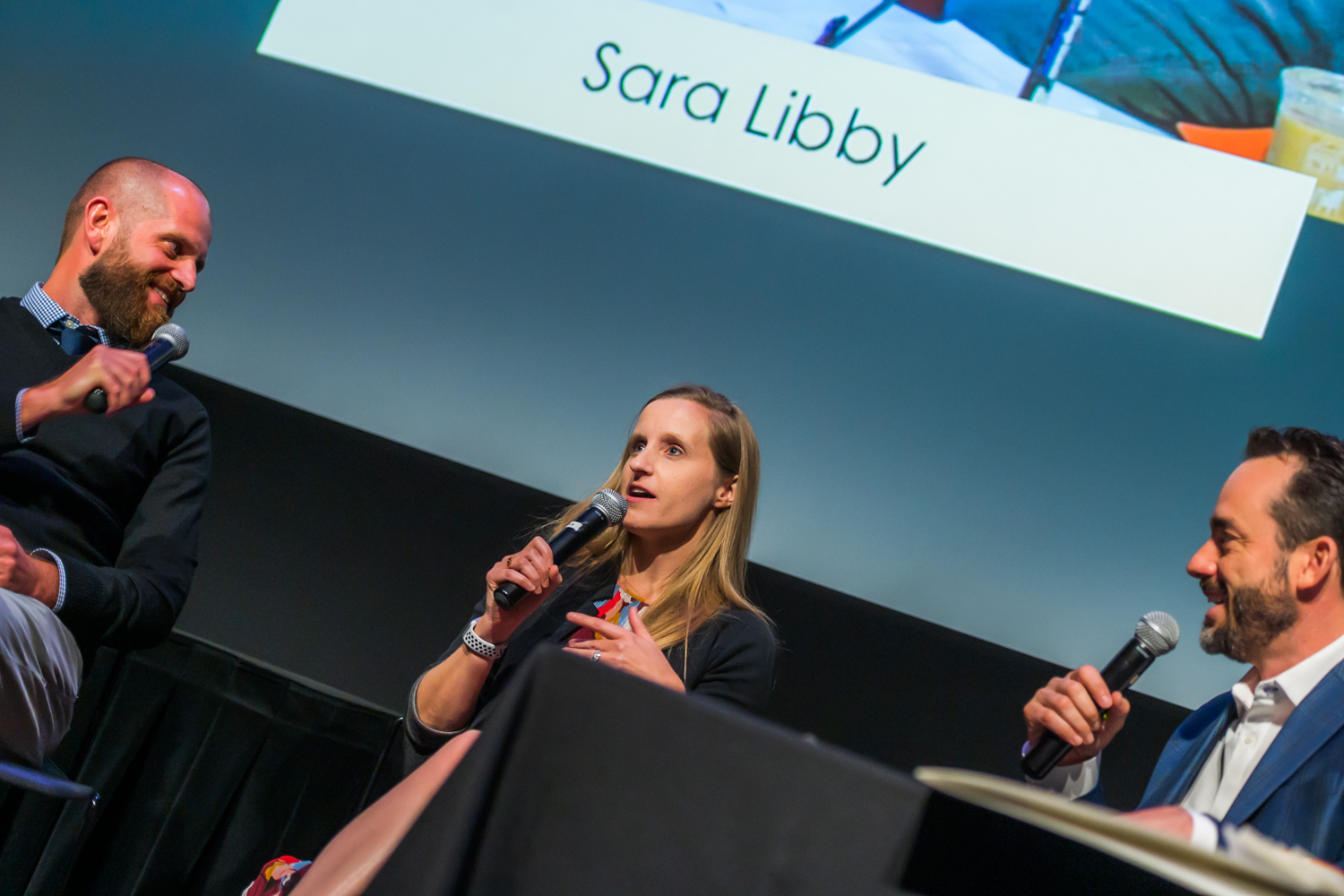
Sara Libby had big shoes to fill. When she started as managing editor in 2012, founding editor-in-chief, Andrew Donohue, had just left. For nine years she kept the train on the tracks, helping reporters deliver some of the most important and impactful pieces of Voice’s history. She also contributed her own impactful pieces, like when she parlayed a deep interest in criminal justice into a story about Aaron Harvey, a man who was facing life in prison because of Facebook posts, despite not committing the crimes at the heart of the case. The charges brought by San Diego’s District Attorney Bonnie Dumanis against Harvey were tossed after Libby’s coverage. Harvey went on to become a criminal justice reform activist.
What are you up to now?
I’m the politics editor for the San Francisco Chronicle (but still live in San Diego). Between covering Dianne Feinstein’s final year in office, Nancy Pelosi’s role in ousting Biden from the top of the ticket and Kamala Harris’ sudden rise, Bay Area politicians have been at the center of the political universe for the last few years, so it’s been a wild ride covering them all.
What was your favorite story you worked on while at Voice of San Diego?
I’m so proud of so many of the stories we did illuminating police abuses in San Diego, but the peak for me was likely this investigative series we led alongside news outlets across the state. We compiled a database of law enforcement officers across California who themselves had been convicted of crimes. Often, they were treated very differently than regular civilians. Many times, abusers were allowed to continue using guns under color of law. The entire series is worth a read.
Andrew Keatts (2012-2023)
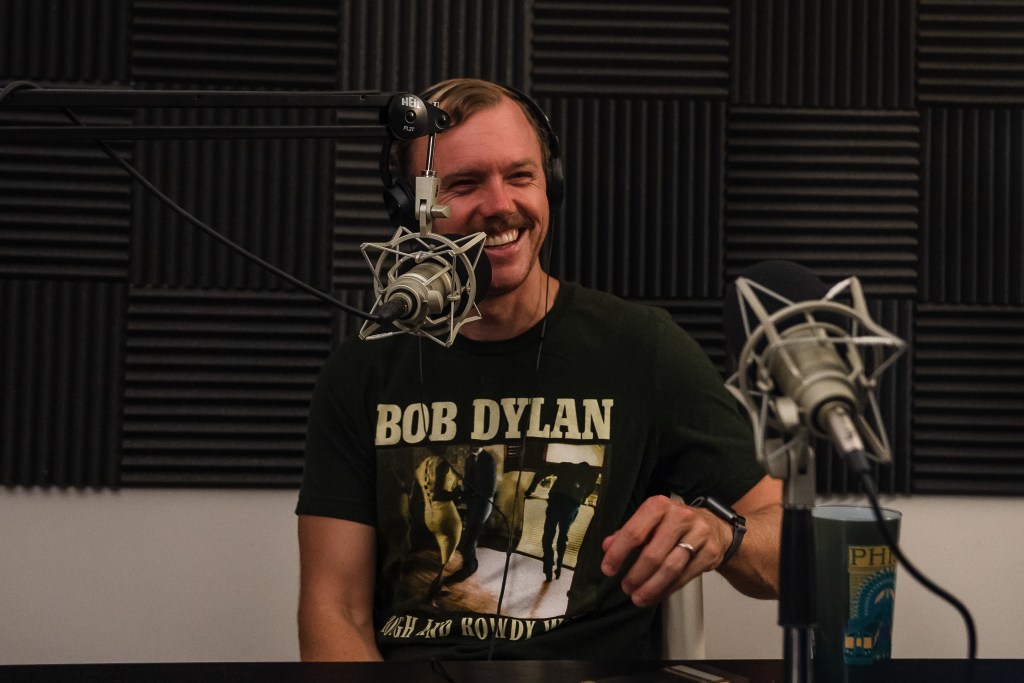
Andrew Keatts, or Andy as he was affectionately referred to, was originally brought on to cover land use throughout the county. During that time, he wrote about everything from public transportation to permitting affordable housing. In the more than a decade he roamed the hall of Voice, he added some new designations too, like podcast co-host, office-Phish head and managing editor for projects and investigations.
Keatts also broke some massively consequential stories for the region, like when he revealed that an income forecast formula used by SANDAG, was majorly flawed, leading to inflated income expectations. He revealed SANDAG’s leaders knew this and forged ahead, misleading the public on what could be accomplished with the raised money. The revelations triggered leadership changes at SANDAG, new state laws and earned Keatts a “Journalist of the Year,” nod from San Diego’s chapter of the Society of Professional Journalists.
What are you up to now?
I now co-write the Axios San Diego newsletter, a daily product intended to tell a busy but informed professional what they need to know about the city to start their day. I’ve heard of a long-running local news outlet that once had a similar idea for a staple product. Axios Local operates newsletters in 32 cities, with local reporters who cover public affairs, but also lifestyle-related news, as part of a network that feeds into the national Axios newsroom.
What lessons did you take away from your time at Voice of San Diego?
Voice taught me the value of persistence in journalism. It’s incredibly common to encounter reporters who bemoan the lack of impact from a story they spent weeks or months on. That’s happened at Voice, too, but far more often, the organization forces governments, leaders, readers and outside groups to care about an issue through sheer force of will. Embedded within that value is Voice’s recognition of a core truth about local news: Most people don’t know what is happening unless someone tells them what’s happening. Journalists too often take for granted that wonky concepts are understood, that basic information is common knowledge, or that a lack of instantaneous reaction reflects apathy. Voice — I think because it launched at a time in which major local news outlets still carried significant weight, and it therefore needed to advocate for itself and its reporting — learned a lesson years ago that national media is only now coming to grips with. You are exactly as relevant and powerful as you make yourself. Voice has insisted upon making a difference, and so it has. I’m glad I learned that lesson from Voice, but too few of our colleagues nationwide have had the same privilege. They’ll either learn it now, or they’ll die.
Mario Koran (2013-2018)
Mario Koran was one of a series of Voice education reporters to make an outsized local impact on the region. Koran produced a steady stream of impactful reporting about everything from how San Diego Unified pushed struggling students into charter schools to a whole slew of shady behavior by a district trustee, like soliciting illegal gifts and contributions. The latter story produced a whole series of revelations and ultimately led to the trustee’s resignation and misdemeanor charges being filed against her. Like Keatts, that coverage earned Koran a “Journalist of the Year,” award from SPJ. While at Voice, Koran launched also The Learning Curve, a newsletter about all things education. That newsletter is still alive and kicking – you subscribe here.
Mario Koran is an investigative reporter at Wisconsin Watch.
Ashly McGlone (2015-2021)
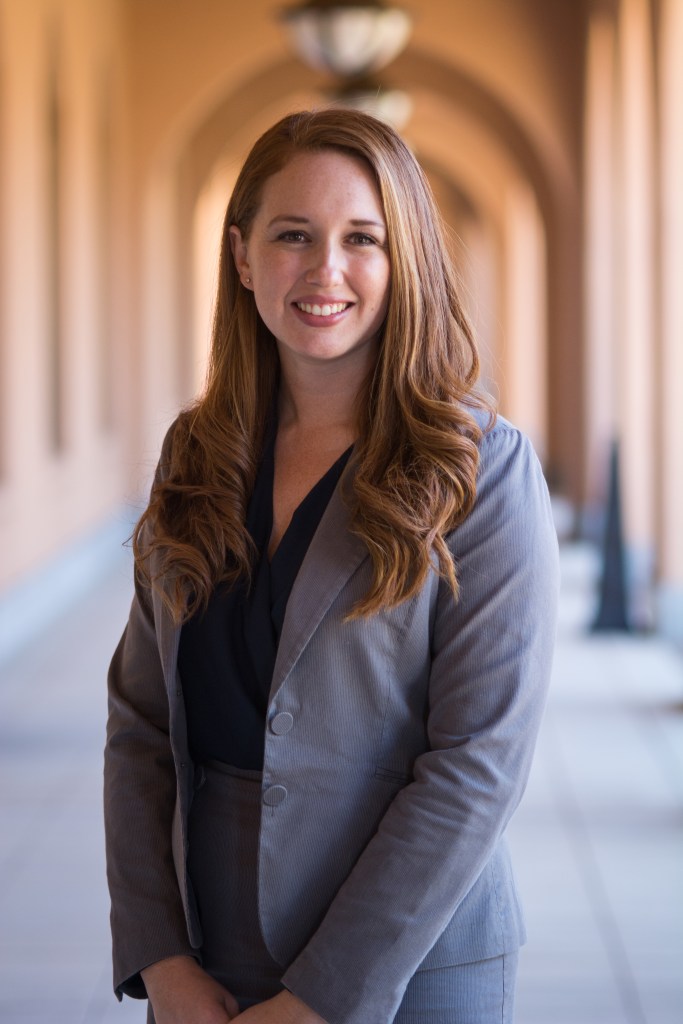
Ashly McGlone was not only a fantastic reporter, she was a public records innovator. As part of her yearslong investigation into educator misconduct, she discovered new ways to use California’s public records laws to acquire information that had long been hidden behind confidentiality agreements. Despite lengthy legal battles, McGlone persevered. The documents she helped uncover painted a disturbing picture – educator misconduct was more common than many understood, and accountability for that misconduct was often hard to come by. The investigations she spearheaded were not only revelatory, they were carried on by a series of Voice education reporters. This story for example, about a teacher fired from one district for misconduct that was then hired by another one across town, came about because of McGlone’s previous reporting on the same teacher.
McGlone had a mastery of public finance and school bond and construction policies.
What are you up to now?
I have been a stay-at-home mom for the last four years, but wrote a couple articles for Voice of San Diego in 2022. I enjoy teaching my kids Spanish and seeing them flourish in the local public school language immersion programs.
What was your favorite story you worked on while at Voice of San Diego?
The most consequential reporting I did for Voice centered on cases of school employee sexual misconduct. For years, myself and other reporters dug into the system that kept employees on the payroll, shuffled them around or sent them home with large payouts even as harassment complaints piled up. Voice successfully fought in court for the release of substantiated misconduct records and held a virtual townhall with local officials to discuss the system that had failed to keep schoolchildren safe. Our reporting helped inspire state legislation in 2019 that expanded the statute of limitations for victims seeking to recover damages. The San Diego County District Attorney’s Office created a task force aimed at closing gaps and San Diego Unified convened a multi-agency group that recommended better employee training and several other changes. While difficult to report, I saw firsthand the power that truthful, accountable journalism can wield in changing things for the better.
I am deeply troubled by what is currently happening on the national stage, especially efforts to dismantle or weaponize agencies charged with protecting marginalized groups and schoolchildren, such as the federal Department of Education’s Office for Civil Rights. Not long ago, that arm of the federal government took San Diego Unified to task for its mishandling of harassment complaints, placed the district under more intense monitoring and required change. The fate of agreements like that one now seems to hang in the balance.
Ry Rivard (2015-2019)
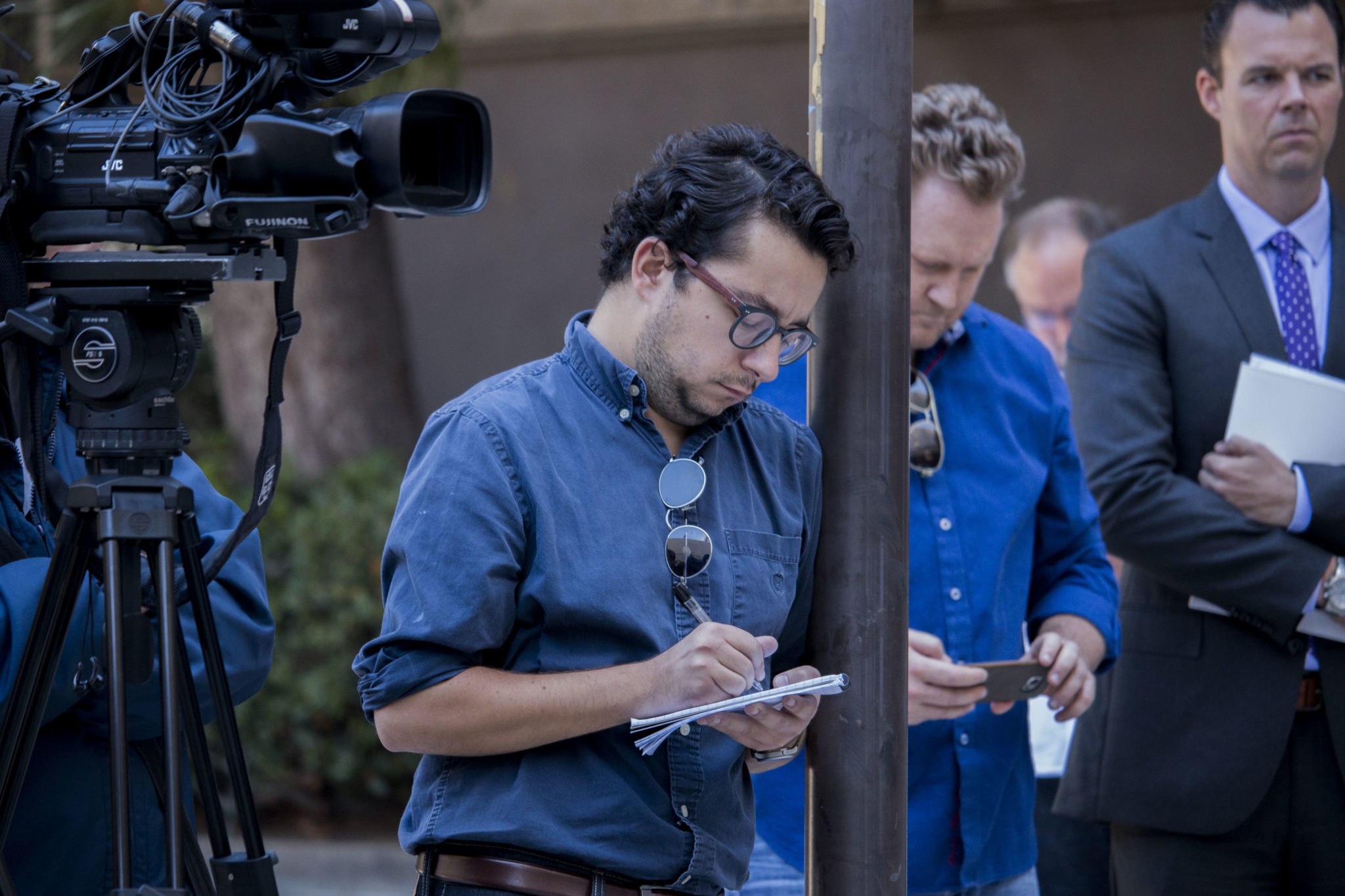
Years after his departure, new reporters still hear about Ry Rivard’s hot takes. One was that despite the fanfare, San Diego’s weather isn’t all that great. I still think about that every time I’m victimized by a case of May gray or June gloom. Rivard covered water and power for Voice at a pivotal time for both topics. He helped readers grapple with the strange reality that the city had too much water, guided them through the lead-in-school-drinking-water scare and explained everything from changes in fire insurance policies, stadium negotiations and water reclamation projects. He even launched a series that answered one of San Diegans’ most burning questions – what the heck is up with that lot down the street?
What are you up to now?
I cover energy, the environment, transit and other things for POLITICO. I’m in our New Jersey bureau and work out of our New York City office. Some things I covered at Voice come in handy here – like San Diego and L.A. fight, New Jersey and New York fight. I’ve covered interstate disputes over a regional mob watchdog, tolls and even wildfire readiness. Plus, I occasionally call up my old sources to do a western water story, like one last year on the Tijuana River.
Give us a hot take – on journalism, politics, San Diego or anything else.
I didn’t fully understand the “walkable cities” debate that people were having in San Diego until I moved to New York. I grew up on a farm and the nearest grocery store was a half hour away by car, so North Park seemed pretty walkable to me. But in New York my step count immediately and viscerally went up. Obviously, New York is uniquely dense, but every time I come back to SoCal for a visit, I notice how much of it I spend in a car and my step count plunges again. It’s easier to get to the beach or to hike in the mountains in San Diego, no doubt; but on a daily basis, I feel healthier in New York.
Maya Srikrishnan (2015-2022)
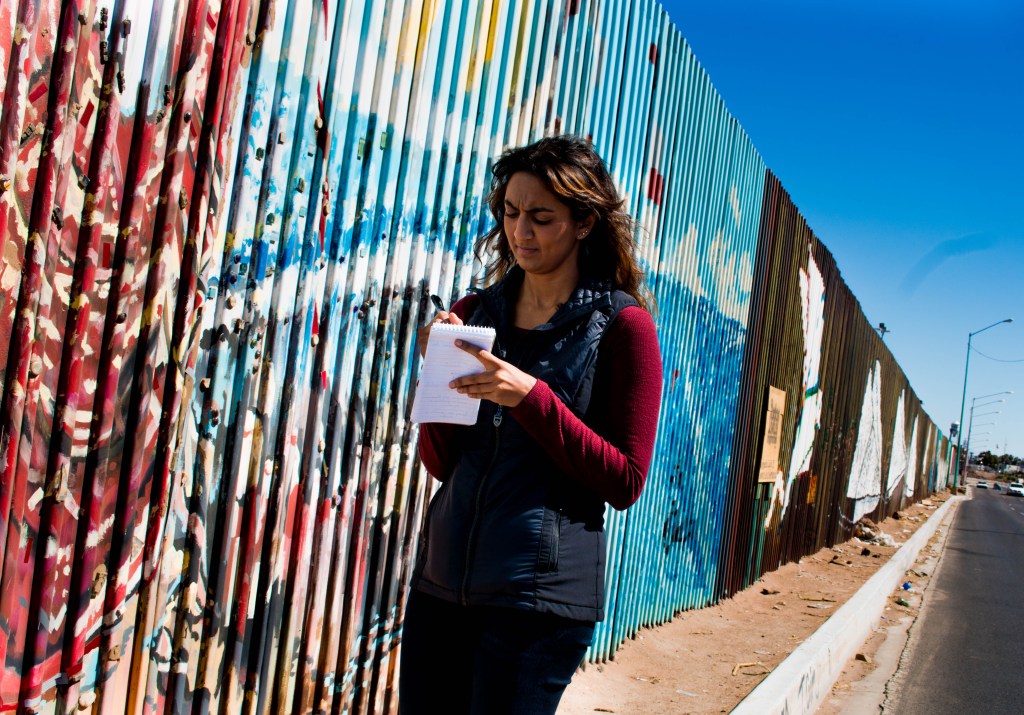
Maya Srikrishnan covered a bit of everything while at Voice. Srikrishnan was hired on full-time after her internship and wrote about schools and special education, the border and immigration policy, questionable development projects and more. Her stories, like a series she penned about the hidden homeless crisis in South County, were often executed with an eye for the most underrepresented in the region. But she also helped launch one of Voice’s most exciting explanatory projects – San Diego 101. The video series acts as a guide for local residents that helps them better understand the systems that govern their world. And after a brief hiatus, the project has been relaunched.
Srikrishnan is a founding member of the new journalism outfit Daylight San Diego.
Adriana Heldiz (2017-2022)

Yet another intern-turned-full-timer, Adriana Heldiz carved out her own special lane. She contributed important original reporting, alongside Srikrishnan developed the San Diego 101 series and blossomed as a talented multimedia journalist. For years, if a Voice story included a striking photo or graphic, Heldiz’s name was attached to it. Her contributions not only added a visual flare, they helped readers better digest and understand Voice’s stories.
What are you up to now?
I currently work at CalMatters, a nonprofit news organization that covers the state of California, as the assistant visuals editor. I’m part of a small but mighty visuals team that consists of Visual Editor Miguel Gutierrez Jr., Staff Photographer Larry Valenzuela and Visual Designer Gabe Hongdusit. On any given day, I work closely with reporters and editors to select photos, contract freelance photographers for assignments throughout the state, cultivate photo layouts and illustrations for stories. Occasionally, I photograph and film assignments in San Diego, but my main role is photo editing. I also do some freelance illustration work for Voice of San Diego, so you might see my name on a story here and there like this recent one.
What was your favorite story you worked on while at Voice of San Diego?
I did a lot during my five years at Voice, but my proudest achievement was helping create San Diego 101, a video explainer series to help residents understand local issues in an effort to promote civic engagement. We explained the difference between the city versus the county, the different agencies that manage the border, who polices the police and more. After producing several videos, we were able to expand and create The San Diego 101 Podcast hosted by myself and Maya Srikrishnan, and produced by Nate John. Since my college years, I dreamed of creating explainer videos using motion graphics, but my self-doubt often got in the way. Thankfully, my Voice colleagues encouraged me to try it out and spread my creative wings. The project not only pushed me creatively, it also taught me a lot about how our region works, so I was learning alongside our readers. While I no longer work at Voice, San Diego 101 continues to grow and flourish, which makes me proud.
Jesse Marx (2017-2023)

Jesse Marx came to Voice as an associate editor, in charge of helping reporters work through stories and develop his own. Over the years, he forged is own lane: the messy intersection of public safety and policing. As a reporter, Marx spearheaded a whole series of vital stories. He revealed that San Diego’s smart streetlights were exclusively a surveillance tool rather than an traffic-mitigation one and how even though dozens of local officers had been convicted of crimes some had been able to keep their jobs – and their guns. He played a key role in Voice’s Covid deaths projects, during which we sued the county for access to death records and revealed a whole slew of striking of details about who died in the first and second year of the pandemic. Importantly, for me, Marx also led Voice’s internship program, helping teach a series of young reporters how best to approach investigative journalism. As someone who started in that intern program during his time at the helm, his thoughtful, caring guidance made all the difference.
What are you up to now?
Working at San Diego State, where I advise the Daily Aztec and KCR College Radio and plan to teach a reporting class in the fall. I also helped launch and edit a community newspaper in Southeast and have been freelancing for national magazines.
What lessons did you take away from your time at Voice of San Diego?
Reading up on the city’s history, and paying special attention to the political coverage of the ‘60s and ‘70s, was instructive. It revealed how little has changed. Today, the debates over housing and the environment are basically the same. We still punt questions of public importance — and by extension the responsibility for human flourishing — to the private sector, and act surprised when the result is ever more scarcity and inequality. As Ned Flanders’ freaky beatnik parents put it: “We’ve tried nothing and we’re all out of ideas!” So yeah, I’ve learned that politics is not a dirty word. It only becomes one when our leaders abandon even the pretense of a collective future and ordinary people stop struggling for a better world.
Nate John (2019-2024)
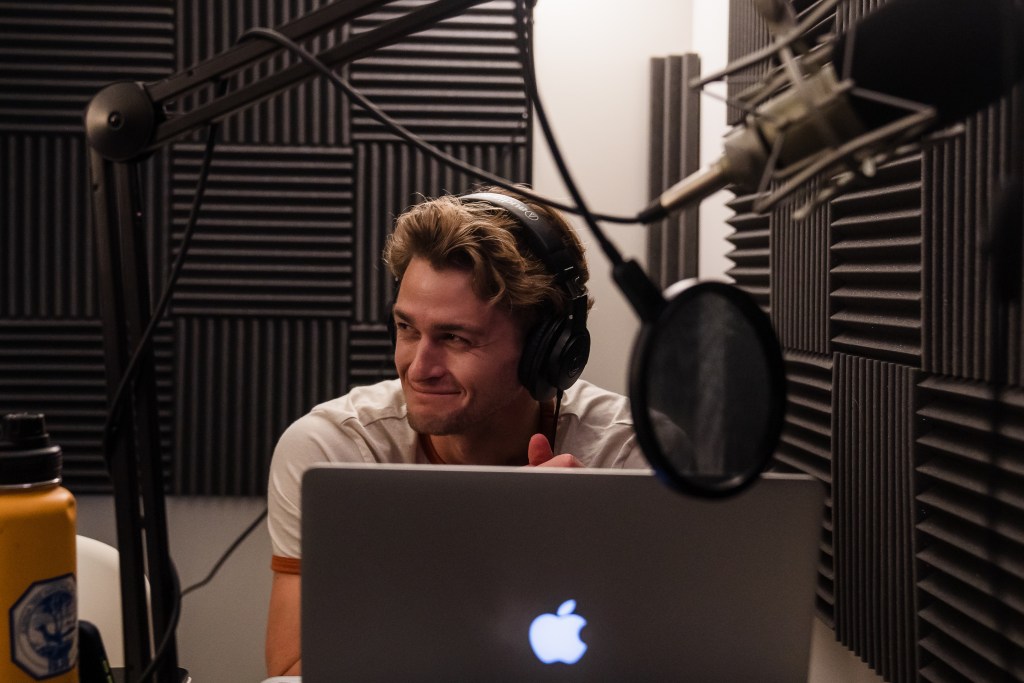
Nate John, like so many Voice MVP’s, was a veritable Swiss army man. His title of digital manager belied a dizzying array of projects. He managed the website and newsletters, helped create visuals and graphics and was the technology guru for all of Voice’s live events. Listeners of the podcast owe him an extra debt of gratitude, as he helped professionalize the product by being the first person to edit it. Basically – he made everyone’s job that much easier.
What are you up to now?
I help run a program that teaches news publishers how to grow their audiences and set up better business practices. It sounds nerdy because it is. But it’s very cool and I get a lot of satisfaction from connecting with news folks around the country and seeing them grow.
What was your favorite thing you worked on while at Voice of San Diego?
Without question, the best thing I worked on was San Diego 101. I learned a lot throughout the process building that — including the power of explanatory journalism, which Voice excels in. Putting together the SD101 podcast was a dream. For a specific story, episode 1 was pretty great, which explores how you can change the region as a citizen and elected official.
I ❤️ VOSD
So many great reporters and stories over the years. Tough shoes to fill when they leave. Hopefully they taught other interns how to transition and grow while keeping VOSD strong.
Seeing this list of names really took me back! Enjoyed learning what everyone is up to these days. No surprise at all that, to a person, they all went on to do great things. Thank you for this feature!