



It has been quite a week. Let’s jump right in.
Monday’s storm brought on so much destruction across the region, but especially in San Diego’s southeastern neighborhoods.
As I saw photos of the aftermath, I thought about a community meeting I attended in Stockton.
When I went out in October, I met Minerva Tabogada. She has lived there for 22 years. She walked me to her house to show me that they didn’t have sidewalks or many streetlights on her block. She also showed me where her and her husband have cleared debris from a drain in the past to keep their house from flooding.
She has seen waters rise to dangerous levels in the past, so when she watched on Monday as a nearby canal filled with enough water for someone to float a canoe on top, she panicked.
“We didn’t know what to do,” she told me. The family decided to stay put and not risk driving. Luckily, their house didn’t sustain any damage. But just down the block other neighbors’ homes were flooded.
She told me on Friday that although she was thankful nothing happened to their home, she is still worried about another storm hitting San Diego. She’s planning on getting sandbags to protect her home.
A Hero in a Wetsuit
The community of Southcrest was completely flooded and three days later residents were still cleaning up their homes, many now caked in mud. We’ve written in the past about how bad this area floods — but Monday’s storm truly wreaked havoc on the community.
Our MacKenzie Elmer went out to speak to residents about the damage left behind. During a visit there, boots covered in mud, she found a fascinating story.
Elmer profiled a neighbor who jumped into action on Monday. Jesse Preciado dove into the floodwaters in a wetsuit and used a two-by-four to scrape plastic and other debris from a nearby drain.
“Once I removed that, the water did like a whirlpool and it instantly started going down,” Preciado told Elmer. With another storm on the horizon, he said he plans to keep watch over the neighborhood drains. You can read the profile here.
About That MTS Report
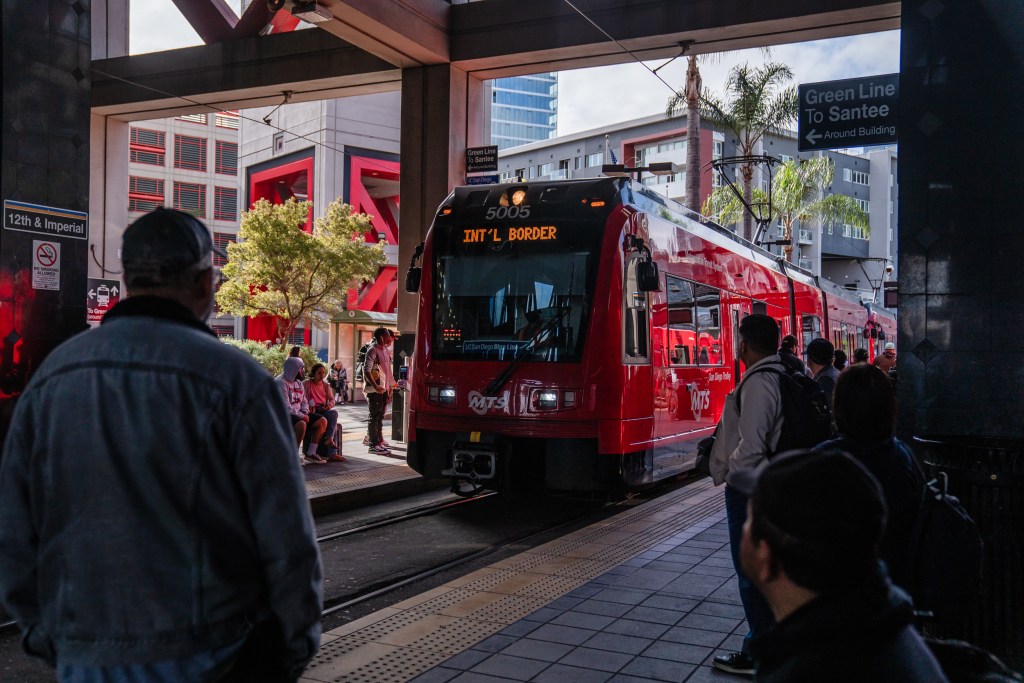
On Thursday, the Metropolitan Transit System released a report that its leaders commissioned to review allegations against the agency and its former chair.
We’ve been waiting for this report.
Remember: Back in April, we reported that MTS said it was investigating allegations that its former board chair, Nathan Fletcher, sexually assaulted and harassed an ex-employee. MTS released a statement saying it was aware of a lawsuit by its former employee and hired an outside law firm to conduct and investigation. But as we pointed out, it wasn’t really an investigation because the firm doing the so-called “investigation” was also the agency’s legal defense in the lawsuit. MTS later hired a different group to conduct a truly independent investigation.
Well, now the findings are out. Overall, the report concludes that Fletcher did not have anything to do with why the ex-employee, Grecia Figueroa, was fired. And why her MTS managers decided to terminate her employment.
Scott Lewis and I teamed up to identify some major takeaways from the report. You can read the full story here.
More Chisme to Start Your Week
- Deborah Brennan’s Sacramento Report is up and running. In the latest newsletter she writes about funding headed to San Diego to fix it’s coastal rail line. Read the Sacramento Report here.
- Related: Our Tigist Layne profiled a Del Mar Councilmember who does not dig how much the region is investing in the rail line and an underground train tunnel. You can read the profile here.
- This week, Jakob McWhinney wrote about why school district excess teachers. It’s a weird school term to describe when districts move teachers to different schools because of low enrollment and other reasons. Read the Learning Curve here.
“She also showed me where **her and her husband** have cleared debris from a drain in the past to keep their house from flooding.” [emphasis added]
REALLY?!?!
I pick up trash every day all the time: walking friend’s dogs, going shopping, going on walks, cycling. The amount of trash everywhere in San Diego is very apparent from foot, bike, car, transit. How can we reduce the trash that clogs the drains? Due to the sheer amount of trash everywhere, it seems un reasonable to expect the cities’ staff would be able to keep the drains clear. I would welcome other citizens’ thoughts on the link between the amount of trash and how it clogs drains, creeks, rivers, and other paths to the sea. How to make this connection? How to reduce trash and keep drains clear? How to work collaboratively to leverage the cities’ available crews to use them at their highest skill levels and thereby optimize our tax dollars? Responses from people who use their full legal names only please.