

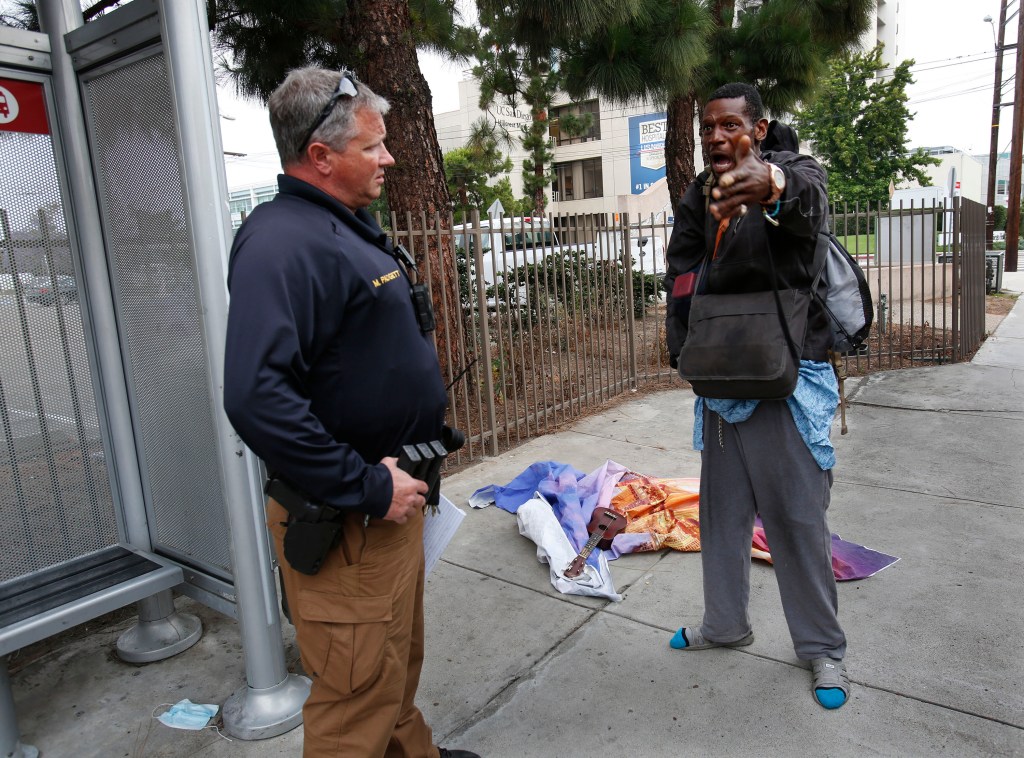
San Diegans have long spotted seemingly fragile homeless residents still wearing hospital wristbands, socks and gowns on city streets.
These homeless patients have continued to land back on the streets in the years since a state law mandated that hospitals prioritize shelter placements for them.
Voice of San Diego contributor Peggy Peattie and I spent months digging into why this happens. Here are the top takeaways from our series.
Lacking Resources and Pressure to Discharge
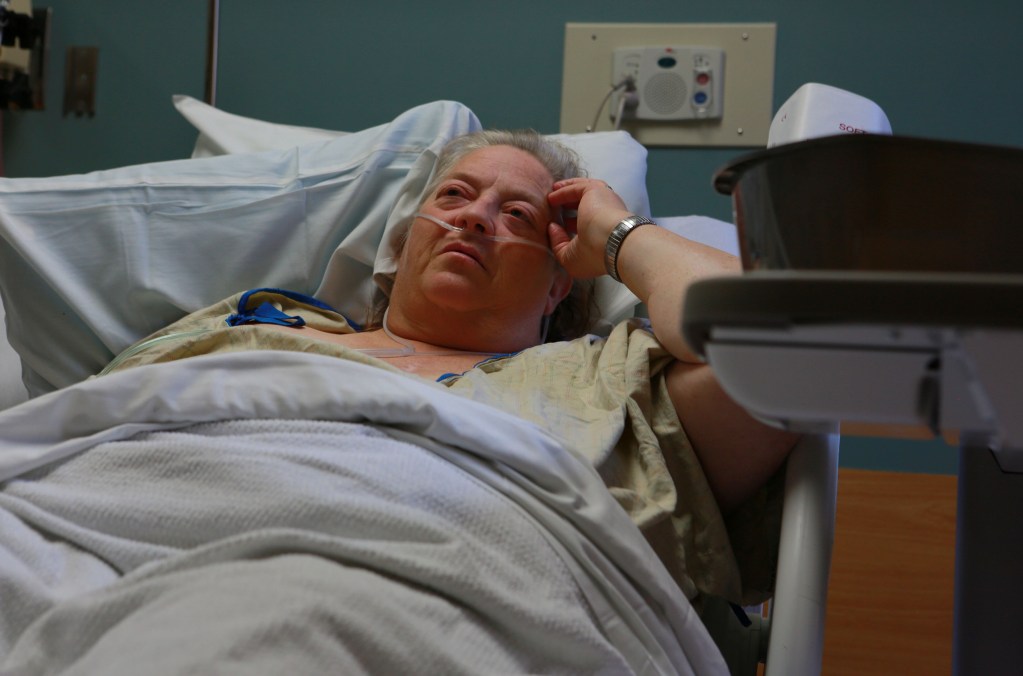
As San Diego’s homeless population has boomed, an increasingly aging and health-challenged segment of the population has poured into local hospitals.
Federal law requires that hospitals treat these patients’ emergency needs, a duty they can swiftly fulfill. But hospitals aren’t well-equipped to help patients who don’t have a home where they can carefully clean or care for wounds, for example. Homeless patients often end up back in emergency rooms for the same reason they went in or with complications tied to their last treatment.
Hospitals also often don’t have immediate on-call post-discharge options for these patients. This gap clashes with increased pressure to quickly discharge patients to make room for others who are waiting.
Not Enough Shelter Options or Connections
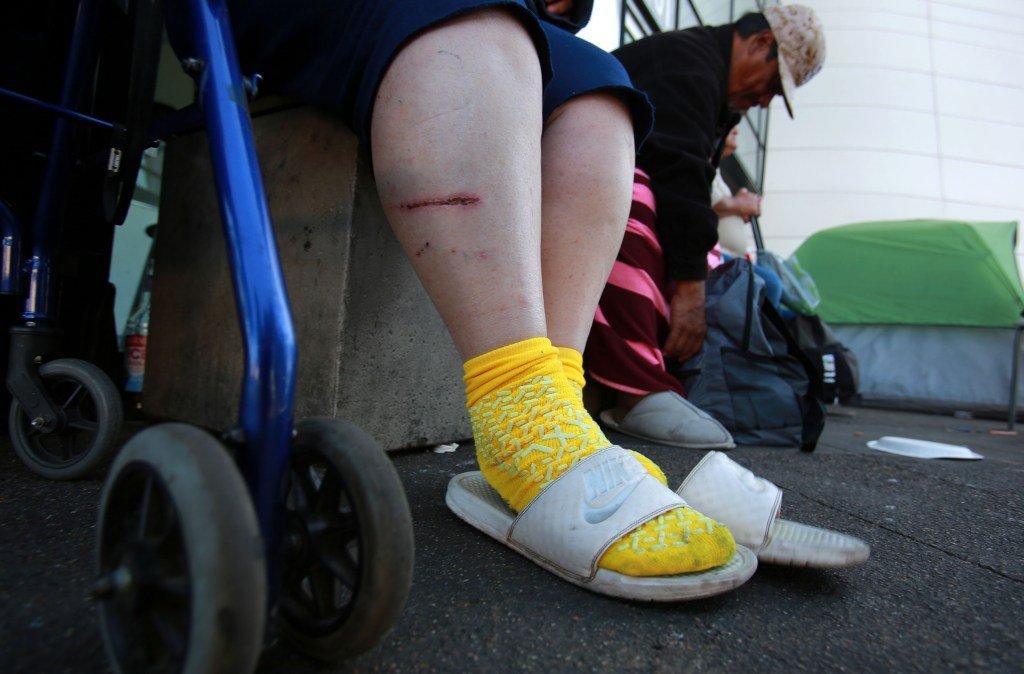
Since 2019, state law has required hospitals to try to find shelter for their homeless patients.
But the city doesn’t have beds set aside for homeless patients leaving hospitals or a way for hospitals to directly refer patients to its shelters or safe sleeping sites. This means homeless patients compete with others for scarce shelter options.
At least one local hospital system has lobbied the San Diego Housing Commission, which oversees most city shelter beds, to change this. But the city and its housing agency say hospitals need to pitch in financially first. The Housing Commission’s chairman argued the county should convene a conversation about post-hospital shelter needs.
Reforms Complicated Access to Respite Care
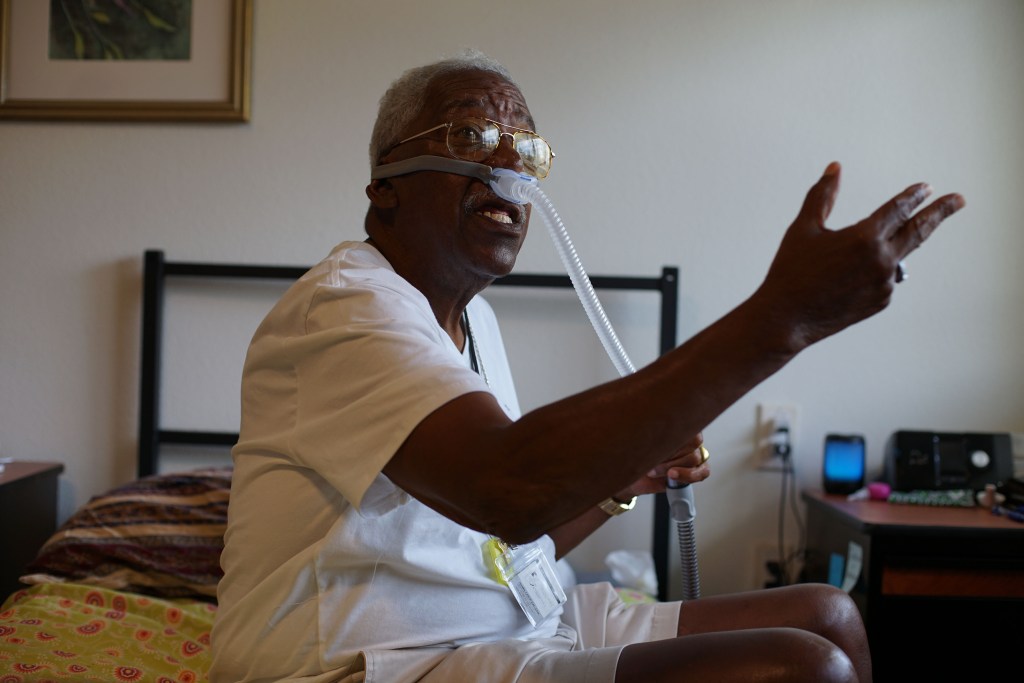
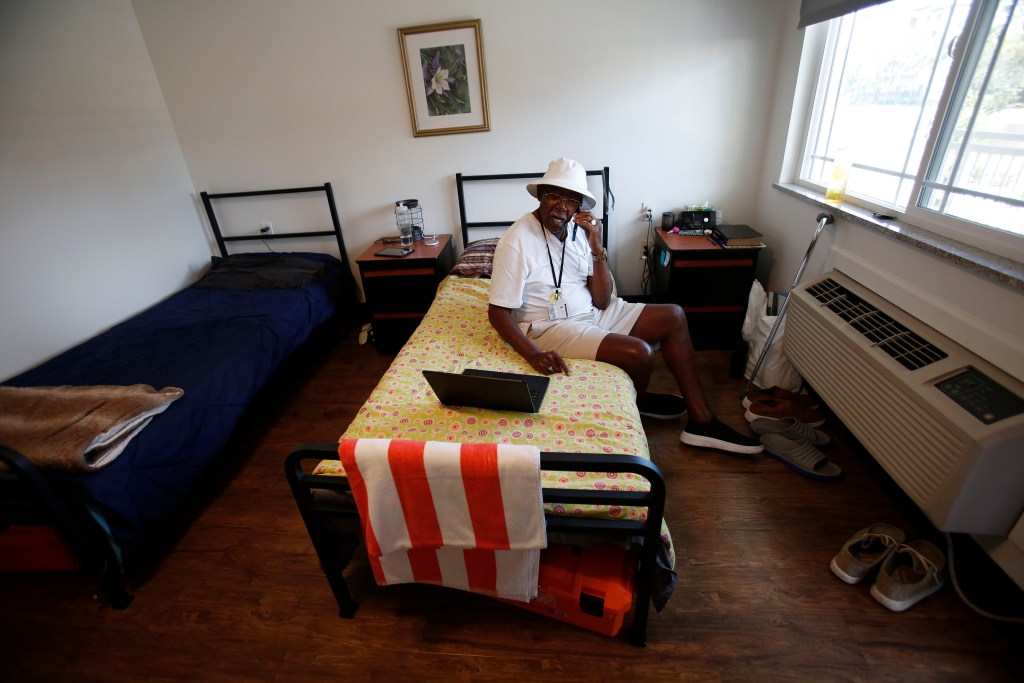
Medi-Cal insurance reforms meant to increase access to recuperative care centers where homeless patients can recover safely have at least initially complicated hospitals’ efforts to get patients into them. Beds have sometimes sat empty despite high demand.
Those reforms – and the increased sway insurers got over who accesses respite care – ended up stymieing placements. San Diego’s three leading recuperative care providers saw referrals plummet soon after the reforms rolled out two years ago. State data later showed just 64 people got into recuperative care facilities in San Diego County that year using Medi-Cal insurance – far less than the thousands of homeless patients treated at local hospitals.
There have since been some improvements, but these facilities are often still underutilized.
Patients With Addiction and Mental Health Crises Often Get Quickly Discharged

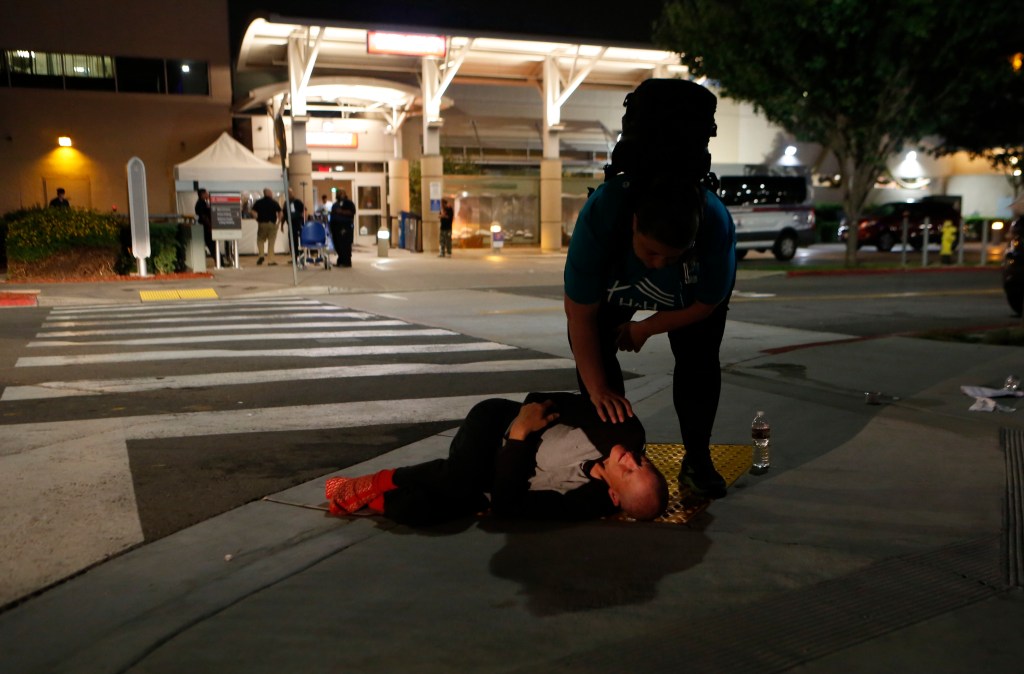
Patients in throes of addiction and mental health crises often rapidly cycle in and out of local hospitals, never getting the care they need. Some believe a new state law could create opportunities for more sustained care for both homeless and housed patients with these challenges.
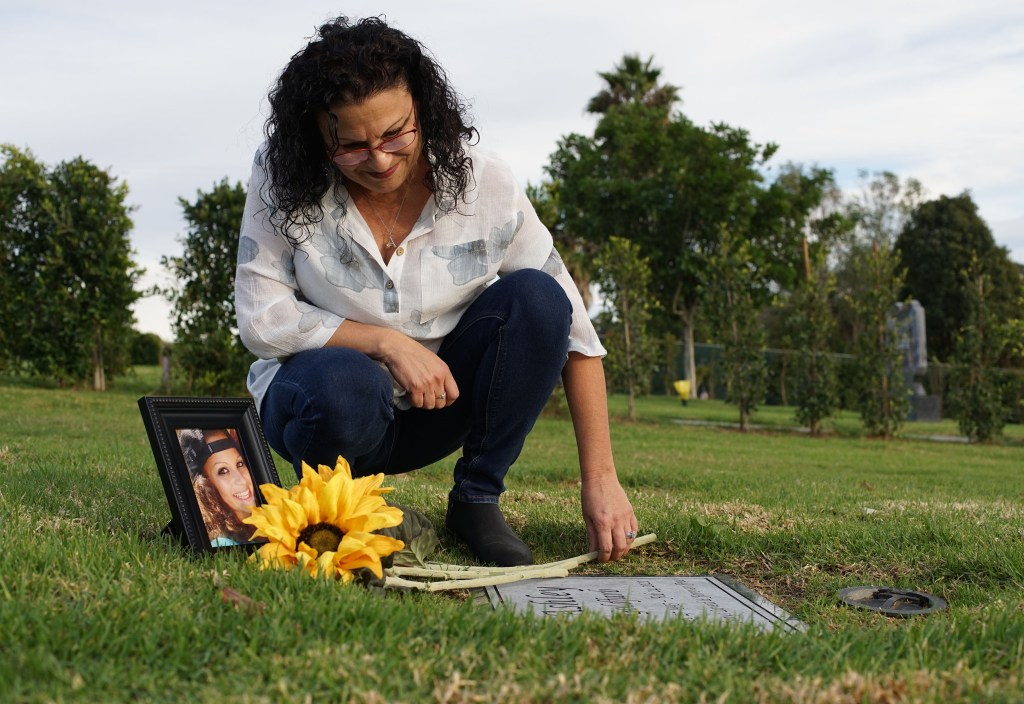
One homeless woman’s tragic story highlights the peril tied to rapid discharges and the potential for change with SB 43, a controversial state conservatorship expansion law expected to take effect in San Diego next year. SB 43 makes people with severe substance use disorders eligible for short-term holds and conservatorships and broadens the definition of gravely disabled.
Are you looking for a job? Yes, you are in the right place. work $1345 a day. Find the right job. Create a free account, complete your profile and be found in your dream job areas. q Sign up for job alerts and be the first to receive the latest job offers that match your profile.
Here >>>> https://BitProject1.blogspot.com
I have seen reports that on any given day the city has between 10 and 15 beds available each for men and women. These beds are almost always reserved by mid morning, leaving nothing available for the rest of the day.
Many hospitals push patients out the door at night when there are fewer people around to see a homeless person on the street in only their hospital gown and slippers. Scripps Mercy is notorious for doing this.
One would think that given the numbers of homeless cycling through their doors, that the downtown hospitals would band together and rent out the capacity of one of the nearby Skilled Nursing Facilities for their homeless patients.
Anne if you were offering a legitimate job, you wouldn’t be doing it in a comments section.
Are you kidding?
” But the city and its housing agency say hospitals need to pitch in financially first. ”
So the hospitals are required to provide services for free, and the County refuses its responsibilities for homeless residents saying the hospitals have to contribute more?
When Politicians Are Ones to SOLVE a Problem, A Solution Is Not Likely to Become a Reality… They TOSS $$$ At Problems & Call Them Solved… No Follow-Up to See If They Work… Common Sense Affordable Solutions DO EXIST, But from Decades of Wasted $$$ On Temp Shelter Programs & VAST Increase in Problem, Current Elected Politicians Have NO CLUE Or GUTS to SOLVE…