
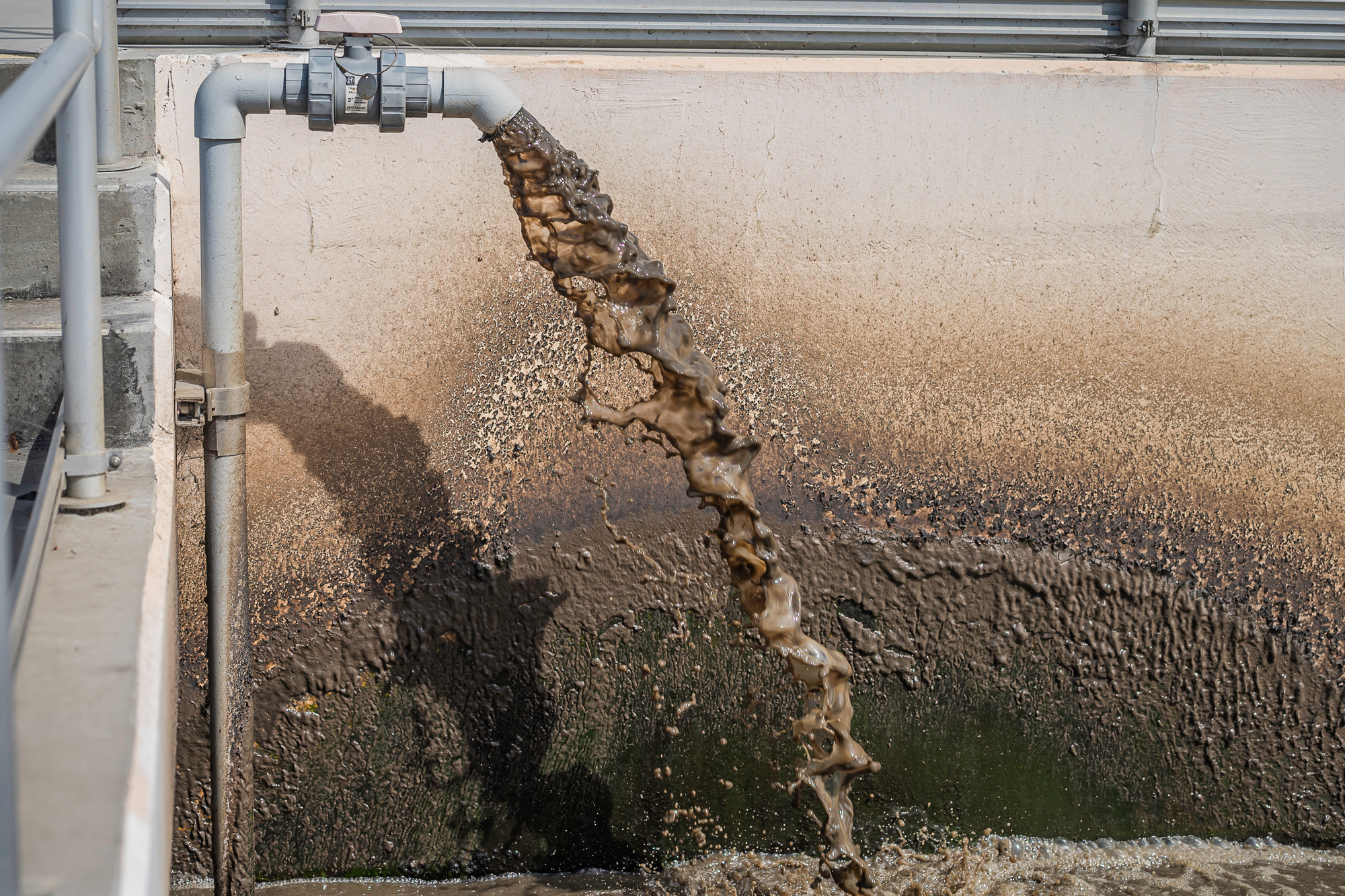
Remember that warning about more raw Tijuana sewage headed toward San Diego this month?
That’s not happening anymore, said the U.S. Environmental Protection Agency in an update on the state of sewage pipe repairs in the Mexican city.
I reported up to 30 million gallons of sewage would spill into the cross-border Tijuana River each day Mexican officials work on upgrading the city’s biggest and broken down sewer main mid-October.
Instead, Mexican military engineers will be building an extra pipe called a bypass, borrowed from Acapulco where it was used for hurricane recovery, and sending the flows to the the International Wastewater Treatment Plant in San Diego for treatment.
That likely disrupts the plans of the International Boundary and Water Commission (or IBWC, a federal agency that handles the cross-border water issues) to do a deep clean of their treatment plant – which is also desperately in need of maintenance. Normally, sewage from Tijuana’s broken main flows into the U.S. plant for treatment and then out to the Pacific Ocean through an underground pipe. But the IBWC was going to seize the opportunity for that main to be out of commission to do that work.
Frank Fisher, an IBWC spokesman, said they’ll likely have to wait until spring of 2025 to make those repairs instead – when they’ve fixed the now-broken sewage faucet, called junction box 1, that controls the flow between Mexico and the United States.
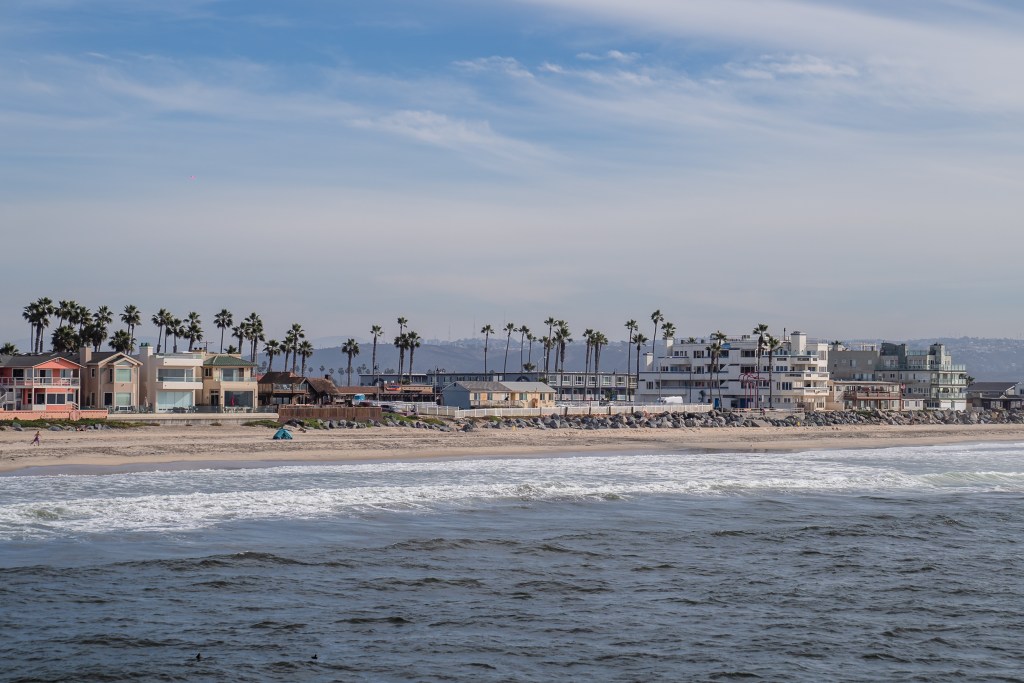
Rerouting that sewage away from the Tijuana River doesn’t mean the continuously-closed beaches of Imperial Beach and Coronado are going to be clean and fresh. Ocean swells and wind direction can still carry sewage up the coast from another broken treatment plant in Baja California. It’s why Imperial beach is closed again after briefly reopening last month, even though the flows in the Tijuana River have slowed.
We as IB residents for 27 years are extremely frustrated at the continuous flow of toxic, human and industrial, waste. Is there any site available that tracks the monies spent to solve this issue? There has to be accountability for monies designated to fix this ecological disaster.
I have been working in WW for 29 years. One of the major problems is that these types of projects are started with no real long term funding. They build it, it is new and may work, but the funding was never there to keep it operating efficiently. And no one has the guts to charge the customers what it actually cost to maintain the plan for the long term. After all if they raise the rates, who will vote for them.