
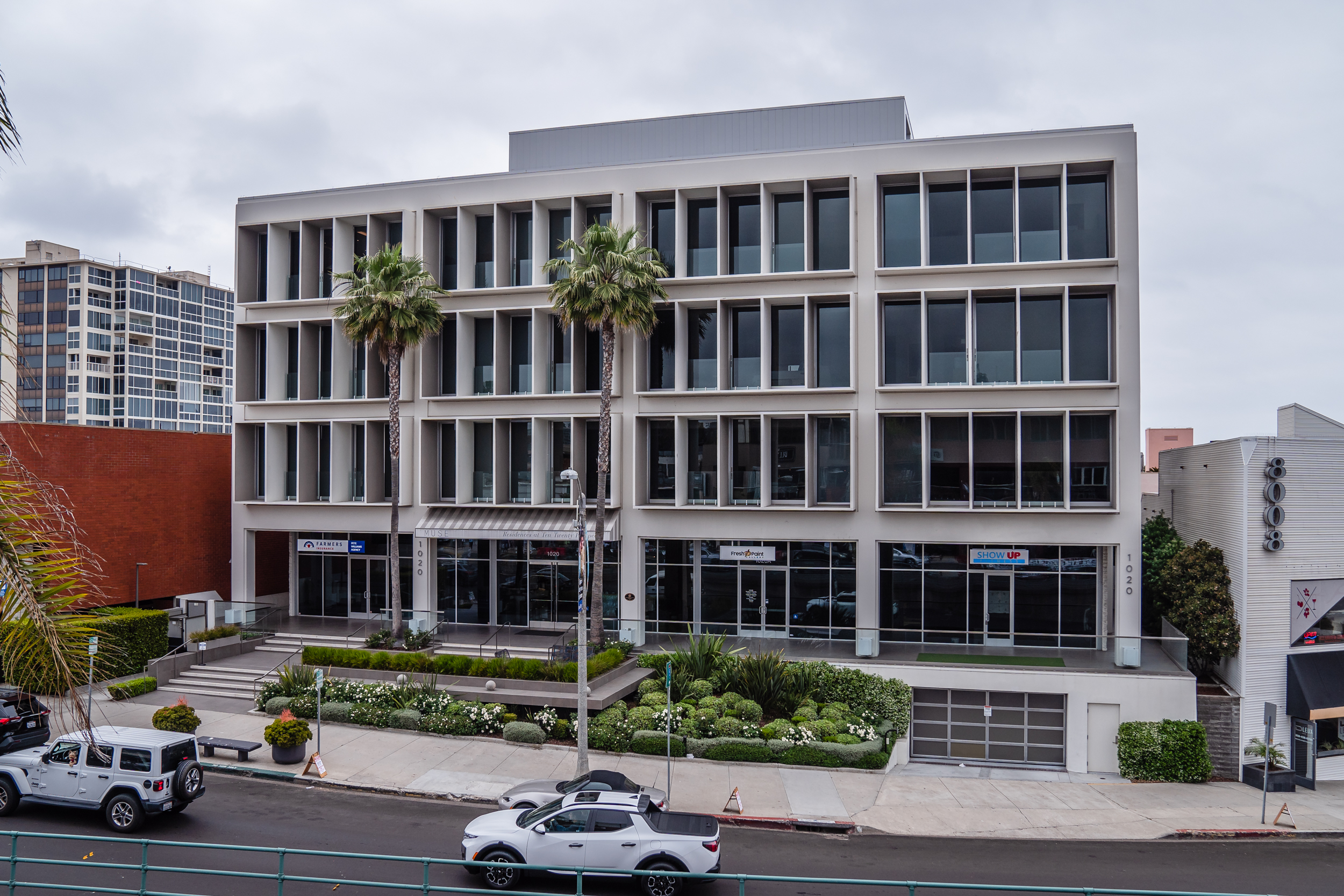
Buying a condo in San Diego has been difficult for several years.
The complexes have long been considered a cheaper route to homeownership than other kinds of homes. Under a condominium form of ownership, ownership of a specific, individual unit is paired with shared, undivided interest in common areas like land, hallways, and amenities. Yet, condos have become so expensive to build in the region and elsewhere in California that developers rarely build them anymore.
So, what gives?
Higher Building Costs and Bigger Legal Risks
A big reason condominiums are more expensive to build than apartments or single-family homes in California is a 2003 law that gives owners up to 10 years after purchase to sue developers for building flaws.
It’s called construction defect liability, and it affects the vast majority of condo owners after they’re built.
Most developers face at least one defect lawsuit during the 10-year window, and an entire industry has emerged to identify minor or cosmetic flaws and pursue litigation requiring construction companies and contractors to make repairs or compensate owners.
This legal uncertainty makes condo development risky and has driven up insurance rates for developers, who need to collect funds to cover anticipated lawsuits.
Housing advocates have targeted the law for years, viewing it as a key obstacle to building more condos.
One Solution? Give Developers More of Homebuyers’ Money

Assemblymember Chris Ward, a San Diego Democrat, introduced a bill last month that would let builders use a bigger portion of buyers’ deposits to pay for construction costs.
AB 1406 would double the percentage — from 3 percent to 6 percent— that new condo builders can keep from a buyer’s deposit if they back out of the sale and allow developers to use that money to finance construction. Condo deposits for properties under construction typically run in the tens of thousands of dollars.
The bill is backed by California YIMBY, a pro-housing group that helped draft it, and San Jose Mayor Matt Mahan, a Democrat who is running for governor.
Supporters argue that by giving developers another funding source, they’ll be less likely to pass construction costs onto buyers, ultimately making condos cheaper to buy. It’s also a way for developers to prove to lenders that they have enough money to complete projects.
While far from a cure-all, it’s a step in the right direction to overcome the rising costs developers face, said Stephen Russell, president and CEO of the San Diego Housing Federation.
“This is a moderate, very moderate approach to solving one part of the problem,” Russell said, adding that it’s unclear how much impact it’ll have.
Real estate groups strongly oppose the bill. They worry it will make it easier for developers to charge higher deposits and that it would unfairly penalize first-time buyers who are more likely to back out.
“You’re basically shifting the [cost] burden to the buyers of these condos,” said Sanjay Wagle, a senior lobbyist for the California Association of Realtors.
The association has given more than $11 million to lawmakers in the past decade, according to CalMatters’ Digital Democracy database Ward has received $34,200 in contributions from the organization from 2015 to today, according to the database.
Realtors also fear buyers who back out could face delays in getting their deposits back if developers have already spent the money on construction. They’re seeking clarification on this issue as the bill winds through the Legislature.
AB 1406 passed the Assembly last month and now awaits a Senate committee meeting. An earlier version would have allowed developers to keep 10 percent of deposits but was scaled back to 6 percent after facing pushback from realtors.
Ward said at a January committee meeting that the approach was similar to policies in other states.
“It is a tool in the toolbox. And so that is what is before us today, here, is to try to reflect what we see as a national best standard and is working in other spaces,” he said at the meeting about other states with similar laws.
Broader reforms to the construction defect liability law are being discussed in the Legislature, though no other legislation has been introduced yet.
No Notes For LOSSAN
A report on Southern California’s signature rail line — the Los Angeles-San Diego-San Luis Obispo corridor known as LOSSAN — is overdue, Sen. Catherine Blakespear said Friday.
Segments of the Amtrak Pacific Surfliner in northern San Diego County sit on eroding cliffs and have faced repeated closures for years.
Blakespear, who chairs a legislative committee dedicated to addressing the troubled rail line, authored a 2024 law mandating the state look into the corridor’s operations.
The report was due Feb. 2, but has not yet been submitted by the state transportation department, Blakespear said.
The train only recently returned to pre-pandemic service levels last month.
What I’m Reading Now
Privacy activists are calling on Gov. Gavin Newsom to remove license plate readers overseen by the U.S. Border Patrol, The Associated Press reports.
A longtime El Cajon Republican flips parties over a debate on whether the city’s police department should cooperate with U.S. Immigration and Customs Enforcement, NBC San Diego writes.
Drivers who use electric or hybrid vehicles could bear the brunt of a proposed mileage tax, economists explain for CBS8.