


It’s quite possible more schools in San Diego will close.
Let me explain. Two months ago, a story by inewsource caught my attention. The lead image was of a little girl sitting with a group of women. She was visibly upset. The woman next to her wore a shirt with the words “Save Berry” across her chest.
Samara Torres, a first grader at Berry Elementary, was crying because her school was on the chopping block during a meeting of the South Bay Union School Board, inewsource reported.
The school district operates schools in southern San Diego. In May, its board voted to close Central Elementary, and over the next five years, Berry and Sunnyslope elementaries will close, too.
Why? The school district is dealing with a budget shortfall and a troubling decline in enrollment. School closures are not popular, and they could become the norm in San Diego County, as our Jakob McWhinney revealed this week.
Our finding: In San Diego County, there are 27,000 fewer students enrolled in public schools than there were a decade ago. That’s a 5 percent decline. To make matters worse, experts project that schools could lose thousands of students in the coming decades.
“If those projections come true, the declines would reshape the landscape of public education in San Diego and lead to far fewer teachers and a whole lot more closed schools,” Jakob wrote.
You can read the full story here.
He also pulled together some really interesting charts that show enrollment changes across the entire county. It’s scary.
Behind Voice: School Enrollment Decline
I spoke to Jakob about his enrollment story and what readers can expect next.
Jakob, your story on enrollment decline was amazing and scary. What made you want to pursue this story?
For years, public school enrollment decline has sort of bubbled under the surface. Thanks to things like the creation of universal transitional kindergarten, these big trends that were taking place were masked by a short term influx of new students into schools. That’s meant educators, administrators and community members haven’t really had to grapple with the transformative impact enrollment decline will likely have on schools.
That’s what I was hoping to do with this piece – force people to pay attention to this big, worrying trend that’s going to play out in all sorts of ways across our society. I’ve been paying attention to these numbers for a while and this seemed like a perfect time to really dig into them and try to better understand what they say about the future of the region’s schools.
You worked really hard on pulling together a map that showed enrollment trends across the county. Why was that element important for you? How should people use it?
When we’re dealing with data, peoples eyes often glaze over. Percentages and numbers, regardless of how high they may be, don’t hit in the same way as digestible visuals. The goal of the visuals was to make enrollment decline easier to understand. It was also a useful tool for me, as it helped me better understand where this trend was playing out the most.
My hope is that people will take advantage of the interactive aspect of this map. Seek out your local school. See what’s been happening over the past decade. Start to think about if you’ve seen the changes happening in schools playing out in your neighborhoods. Hit me up if you have. (jakob.mcwhinney@voiceofsandiego.org)
What questions did readers have after we published the story?
One of the big questions wasn’t really a question, but more of a comment. Lots of people got in touch with me to say that I’d omitted a big factor in enrollment decline, which I’ll summarize as “parents are fleeing public schools because woke.”
That may be encouraging some parents to take their kids out of public schools or even to move out of the region, but the data seems to indicate that whatever impact that’s having is on the margins. Enrollment at public schools has stayed relatively flat over the past decade. The number of kids being homeschooled has increased by quite a lot, but that still only amount to a couple of thousand additional kids, which comes nowhere near explaining the larger drop.
What really seems to be happening is that there are just fewer kids in the region.
What’s next for you?
I’m still playing with this data and am finding a whole lot more stories buried within in. For example, enrollment at charters (which I need to remind people are also public schools) has shot up over the past decade while enrollment at district-run schools has declined. I’m also really interested in how some schools are approaching enrollment decline or even trying to push back against it.
Chula’s Trash Strike Is Over … or Is it?
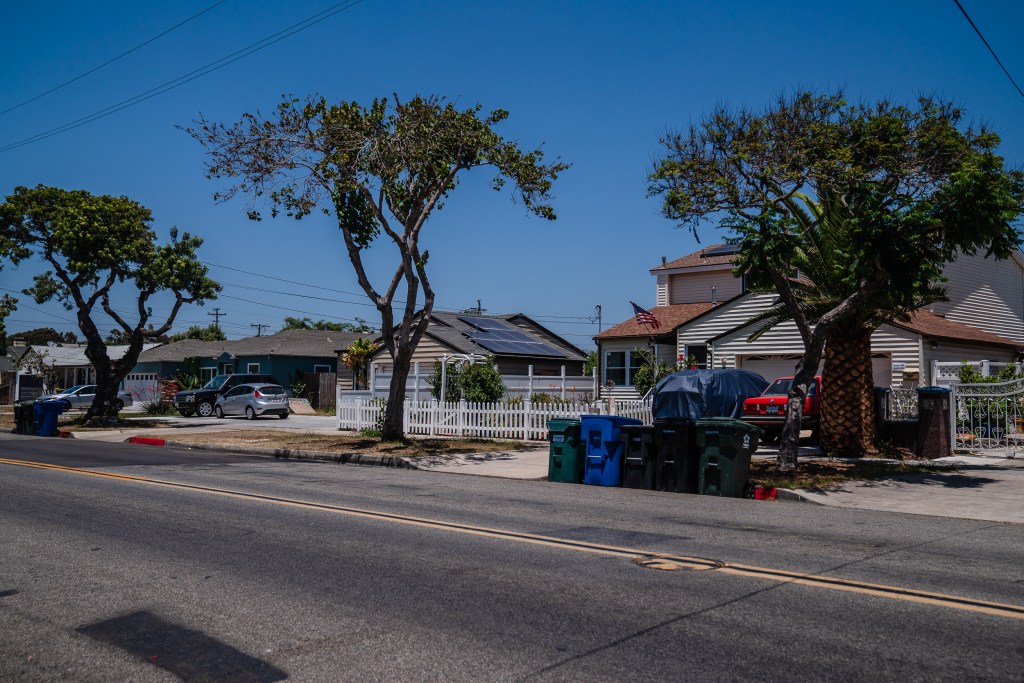
On Tuesday, South County reporter Jim Hinch texted me, “It’s gross out there!”
His message was accompanied by photos of overflowing garbage containers and piles of garbage bags on the floor in Chula Vista. The city’s residents were watching, and getting angry, as trash piled up for six days.
What happened: Unionized employees of Republic Services, which contracts with the city to collect trash, were on strike in solidarity with sanitation workers in Boston.
A few years ago, we revealed that the city’s contract with the company limits its options for when workers strike. That’s because of an agreement the city signed that says the company wouldn’t be at fault in the event of an “uncontrollable circumstance.” That includes natural disasters and strikes. The contract does have an option for the city to collect the trash and then bill Republic Services later.
Jim was at the City Council meeting this week where officials discussed the issue. He noted that while councilmembers voiced sympathy for what residents were experiencing they also expressed support for the unionized workers.
The strike ended on Wednesday, but one speaker at the City Council hinted at more trash troubles.
“We are not happy with what we are being paid,” Chula Vista sanitation worker Edilberto Salas told councilmembers on Monday. “We want you to know what’s going on with us.”
How We’re Meeting the Moment
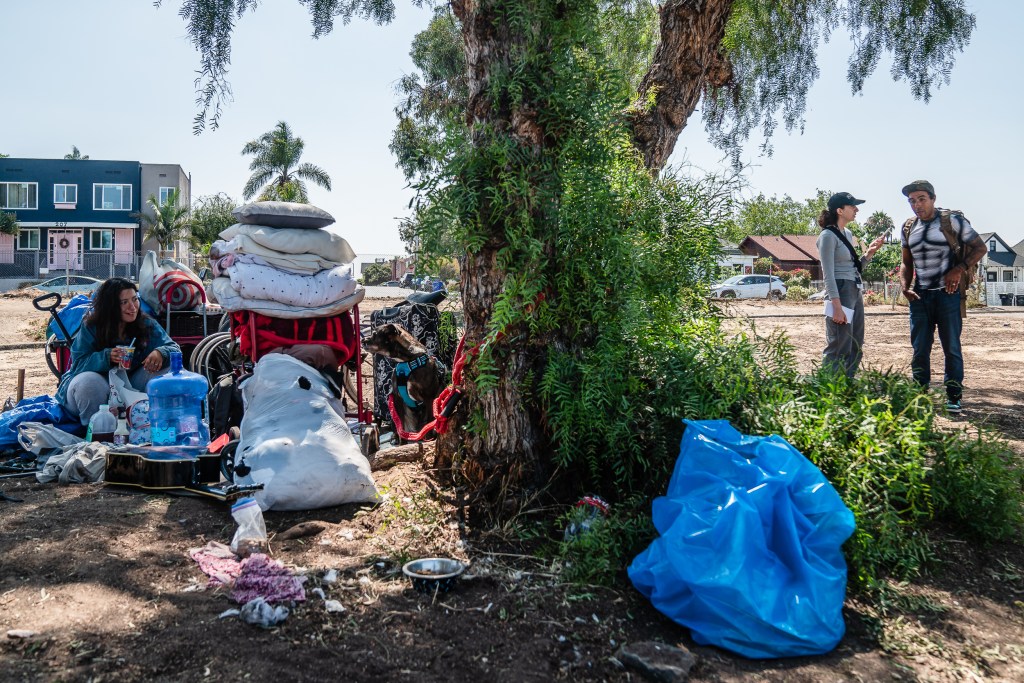
I told you last week that we hired a new reporter, Mariana Martínez Barba. She’s covering San Diego City Hall. She is a Report for America corps member. You can read more about Mariana here.
We’re also making other changes.
Editor Scott Lewis wrote about those changes here.
He writes about the many challenges our region is facing, but he offers some hope, “… San Diego has seen bleaker times and pulled through them. We are strong enough to face our biggest problems and find solutions.”
What’s changing: Lisa Halverstadt will focus on the county and Will Huntsberry will focus on housing. If you’d like to read more about what you can expect from us, click here.
More Chisme to Start the Week
- The rising cost of living in San Diego is driving a wedge between South County Democratic elected officials and environmentalists, South County reporter Jim Hinch wrote in a new story. The piece takes a look at how some leaders are targeting environmental laws they say drive up costs for their constituents. Read the story here.
- In honor of San Diego Pride, history nerd and Voice contributor Randy Dotinga pulled together a list of local pioneers and moments that shaped San Diego’s LGBTQ history. Read it here. He also explained how gay restaurants united a community.
- Meet us in North County! I will be in North County on July 24 with reporter Tigist Layne. I’ll be leading a discussion with her about the stories and issues she’s following. Meet us at the Escondido History Center at 6 p.m. You can RSVP here.