
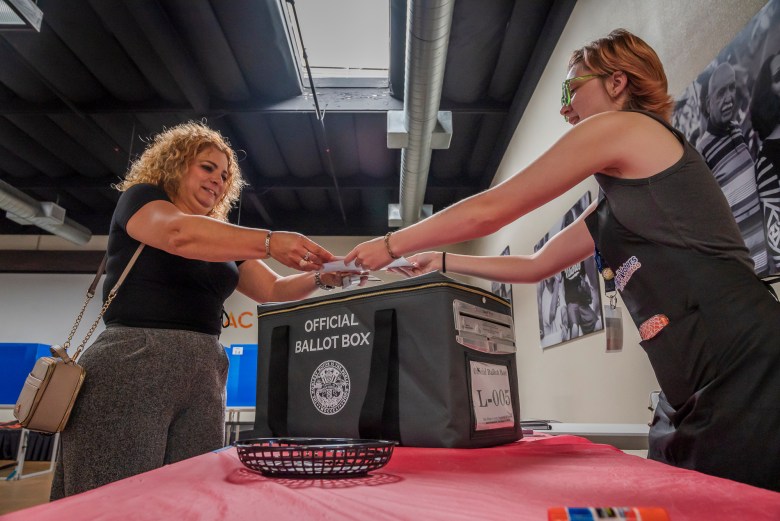
I was on vacation last week, so I’m a bit late catching up on June 2 primary election results. Given the time it takes to count late-arriving ballots in California, my timing isn’t too far off.
What did last week’s vote reveal about South County voters? In short, they voted for familiar faces and continued their streak of ignoring party affiliation when it suits them.
The table now is mostly set for November’s general election – with one wildcard exception, which I’ll get to in a minute.
Here’s a city-by-city rundown.
Chula Vista
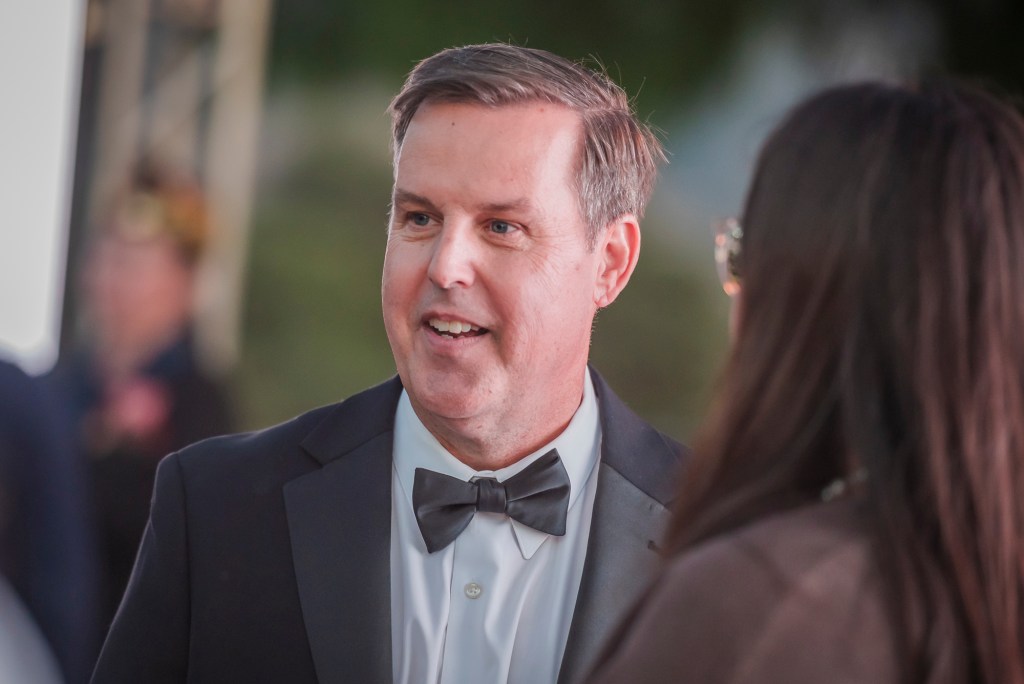
The marquee race last week was a three-way contest for mayor, pitting current Mayor John McCann against Chula Vista Elementary School District Trustee Francisco Tamayo and first-time candidate Yair Gersten.
McCann, a Republican who has won decades’ worth of elections in predominantly Democratic Chula Vista, emerged from the primary in a strong position, with 56 percent of the vote.
That leaves Tamayo, who garnered 39 percent, with the challenge of persuading voters to change their minds, or hoping an anticipated Blue Wave in November flips momentum in his favor.
McCann benefited from a broad perception that Chula Vista stands out as a well-run exception to the political and budgetary dysfunction currently plaguing nearby municipalities.
Tamayo’s argument that the city is increasingly unaffordable for working class residents, along with significant backing from a deep-pocketed labor union, failed to earn him a majority of votes.
City Council races also favored incumbents. Current councilmembers Carolina Chavez and Jose Preciado led challengers by wide margins – though neither broke 50 percent, leaving open the possibility their general election opponent could consolidate majority support.
Preciado will face Angelica Martinez, a school district parent advocate who faced controversy during the primary over a social media post that Preciado called an attempt to fat-shame him.
Martinez said Preciado was using the post to duck questions about rising crime and other problems in his west Chula Vista Council district. She said she never intended to mock her opponent and instead sought to highlight what she said was Preciado’s failure to address constituents’ needs.
Chavez will face accountant Gregory Martinez, who during his campaign vowed to “bring common sense and dignity back to” a City Council that has appeared increasingly fractious in recent months.
Both Martinezes are Republicans. Preciado and Chavez are Democrats.
Despite Democrats’ numerical dominance in Chula Vista, Republicans will be on the ballot in all three of the city’s major races. Once again, Chula Vista voters showed they are not always bound by partisan loyalty.
The wildcard: Earlier this week, I wrote about a major charter reform ballot measure that a prominent local labor union aims to put on the November ballot.
The measure would shake up Chula Vista’s government, giving elected officials an additional term in office, potentially raising councilmembers’ salaries, beefing up ethics and lobbying rules and adding binding arbitration to public safety union contract negotiations.
If the City Council votes to put the measure on the November ballot, it will be interesting to see how city leaders – and voters – respond.
Imperial Beach
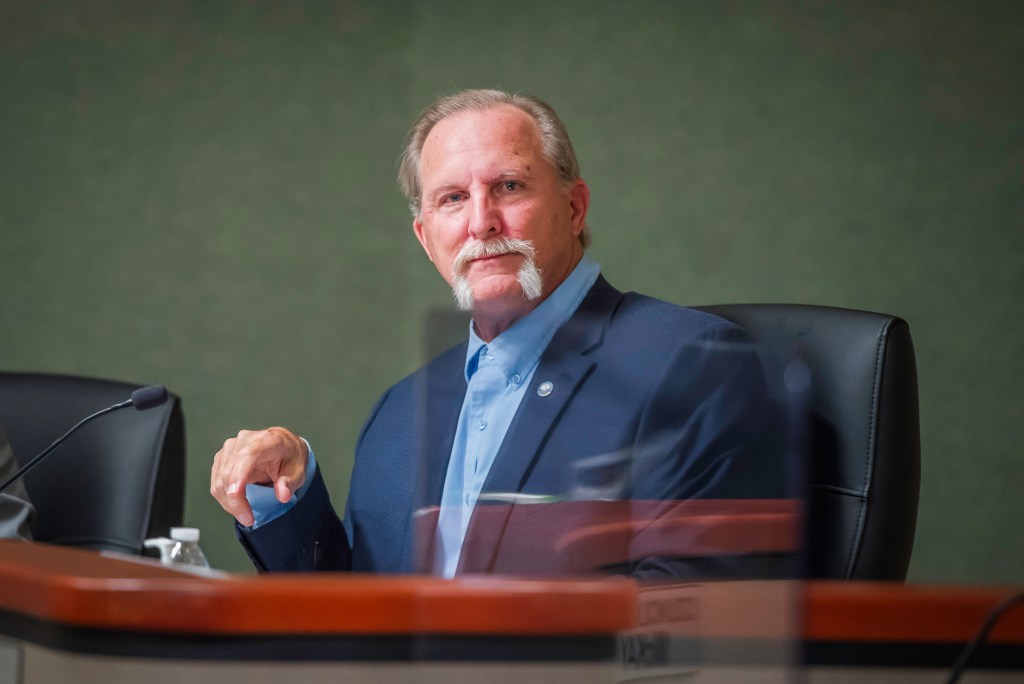
The city did not hold a primary election. But it now has two declared candidates for mayor: Current Mayor Mitch McKay and longtime resident and civic volunteer Karl Bradley.
The two candidates have different party affiliations (McKay is a conservative-leaning independent, Bradley a Democrat) and different ideas for moving Imperial Beach forward.
McKay, appointed mayor last year, has sought to promote local businesses and work with Trump Administration officials to resolve the ongoing Tijuana River sewage crisis.
Bradley, a retired school construction manager, said he would use his managerial experience to scrutinize current efforts on the sewage crisis and seek new sources of revenue for the city.
National City
The city also did not hold a primary election. And currently there’s only one candidate for mayor, City Councilmember Jose Rodriguez.
Still, the outlines of November races are coming into view. Mayor Ron Morrison is widely expected to seek another term. And two city councilmembers up for re-election, Luz Molina and Ditas Yamane, have drawn challengers.
The mayoral race likely will serve as a referendum on the city’s current budget problems and governmental instability. Councilmembers have used reserves in recent years to make up for deficits and City Hall has experienced major turnover.
Molina, who represents a district on the city’s west side, faces a challenge from Cindy Lopez, a local school district trustee and a close ally of Rodriguez.
Yamane will square off against budget watchdog Ed Nieto, who said he wants to end the city’s reliance on shrinking reserves to balance its books.
San Diego City Council, District 8
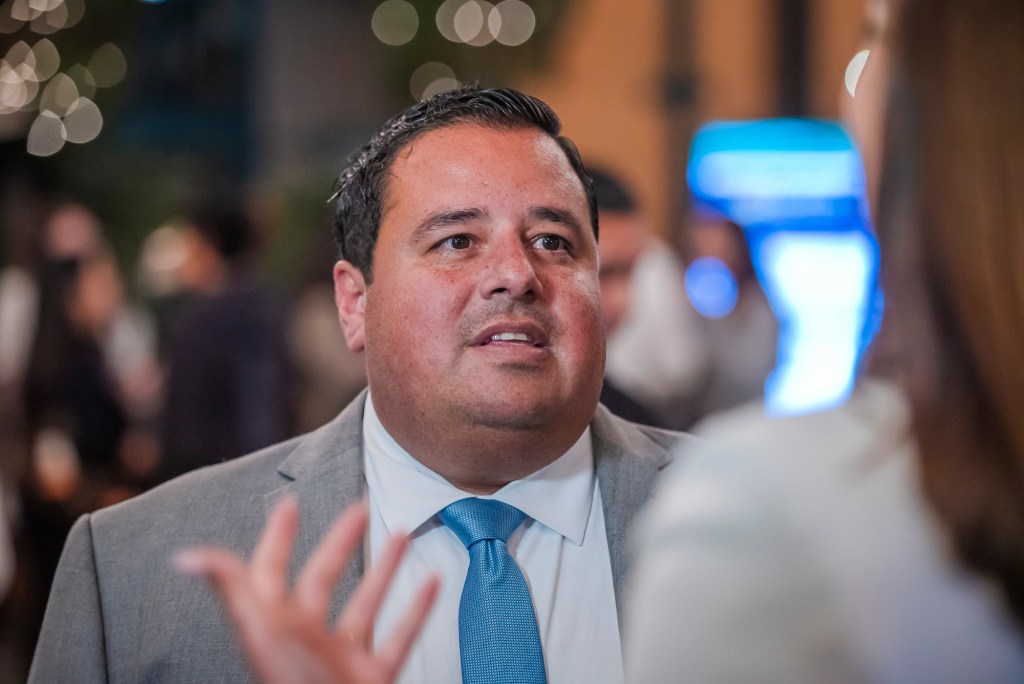
Two candidates, San Ysidro School District Trustee Antonio Martinez and City Council Chief of Staff Gerardo Ramirez, appear likely to proceed to the general election – though third-place finisher Venus Molina, also a City Council chief of staff, has said she wants to wait until all votes are counted before deciding to exit the race.
Whoever faces first-place finisher Martinez in November, the race likely will focus on fiscal issues, given San Diego’s current budget challenges.
Under Martinez’s leadership, the San Ysidro school district has seen its finances dip sharply, though district officials recently said they are on a path back toward fiscal health.
Both City Council aides work for legislators who similarly have presided over a period of fiscal crisis in San Diego.
Voters can expect candidates to accuse one of another financial mismanagement while promoting their own budgetary plans.
Insiders Mostly Prevail
You’ll notice something about almost all the candidates advancing to the general election. Most already work in government, either as elected leaders or current or former government employees.
The few outsiders in these races likely will promote the fact that they didn’t cause current problems. It’s not clear that argument will resonate this year. So far, voters seem to be sticking with what they know.
In Other News
- Gov. Gavin Newsom today announced the release of $46 million in state bond money to address pollution problems at the U.S.-Mexico border. A good chunk of that money is expected to go toward fixing a notorious hotspot on the Tijuana River that churns up toxic fumes from the sewage-clogged river. South County Supervisor Paloma Aguirre has been spearheading an effort to ensure state funds help pay for that project.
- Southwestern College students joined faculty members and local elected leaders at a press conference Friday to promote newly authored state legislation that would enable the college to offer four-year bachelor’s degree programs in health education, forensic studies, interactive design and teaching English as a second language. State Assemblymember David Alvarez and state Sen. Steve Padilla, co-authors of the new bill, said the degree programs would fill gaps in South County’s workforce development pipeline.
- The Living Coast Discovery Center in Chula Vista on Friday debuted a new exhibit that highlights racoons, opossums and other wildlife species common in urban areas. The Urban Oasis exhibit aims to show the integral role played by such animals in local ecosystems and spotlight dangers they face from cars, rodent traps and other urban hazards.
- The Sweetwater Authority water agency this week celebrated its Water Affordability Program by giving away cupcakes at a press event highlighting the program’s 1,000th registered participant. The program lowers water rates for qualifying lower-income customers.