

In California, property owners are responsible for brush management on their own land. Locally, the San Diego Fire-Rescue Department is responsible for inspecting private property to insure it isn’t a hazard for wildfire.
The bad news: Fire-Rescue is woefully behind on its inspections and officials are bracing for a bad fire season, reports Emily Ito. The department’s backlog of inspections is a yearslong problem that has been the subject of multiple audits.
Fire-Rescue officials say they simply don’t have the number of people on staff to get the job done. Of the properties that require inspection, officials only managed to inspect about 16 percent last year.
It’s not a good time to be behind on inspections. As Ito writes, “San Diego is facing a potentially terrible fire season after two years of rain added massive amounts of greenery to the city’s canyonlands and open spaces – vegetation that the summer heat has dried, creating potential fuel.”
Kamala’s Prosecutions of Chronic Absenteeism
Before she was veep, senator or attorney general, Kamala Harris served as San Francisco’s top prosecutor. In his Learning Curve, Jakob McWhinney explores one of her more controversial decisions: to prosecute the parents of children who were chronically absent from school.
Punitive measures like that have since fallen “way out of favor,” McWhinney writes.
“I believe a child going without an education is tantamount to a crime. So, I decided I was going to start prosecuting parents for truancy,” Harris has said.
Sewage Fix, Sort of
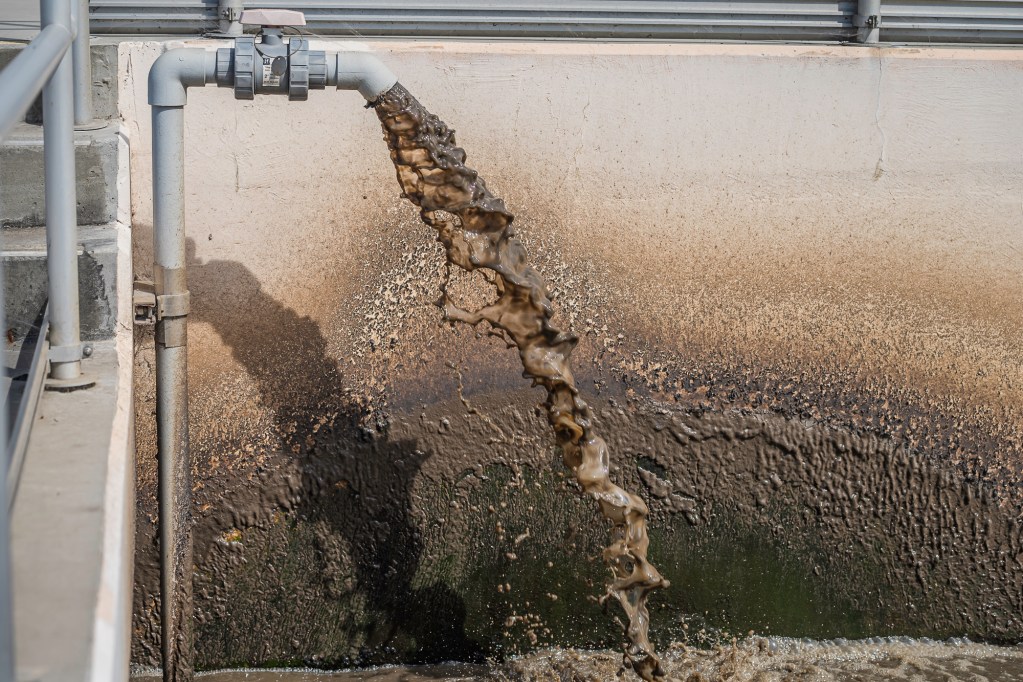
The border sewage-wrangling federal agency fumbling with a broken wastewater treatment plant says it’s ready to go full steam ahead on fixing and expanding that plant: Within about 7 years.
The U.S. International Boundary and Water Commission announced Wednesday it hired contractors to begin simultaneously designing, fixing and expanding the plant that is supposed to treat 25 million gallons of Tijuana’s sewage per day. But it could take 20 months to complete the design and another five years to finish all the construction.
That means the sewage-affected beach communities in the U.S. can’t expect to be mostly pollution free until 2031.
The big picture: That’s four years longer than the IBWC anticipated it would take them when they released an estimated construction timeline back in 2022. Plus, the federal agency doesn’t yet have enough money to pay its contractors the full amount the IBWC will likely owe.
In Other News
- The city of San Diego plans to spend more than $230.7 million on homelessness this year, but it won’t come without challenges, according to a recent budget audit. From past reliance on one-time funds to uncertainty about funding sources for future projects, analysts concluded that the city needs to have a clear spending plan. (Union-Tribune)
- Carlsbad City Council: Nah, smoking is not cool. The city has a new law that prevents residents of multi-unit apartments from smoking (cigarettes, vapes and cannabis products) inside and outside their home, with the exception of designated outdoor areas. (NBC7)
- Also in Carlsbad, elected officials directed the city manager to investigate if the city can remove the management company of an affordable housing complex. Windsor Pointe has drawn the ire of nearby residents who complain about security issues. (Union-Tribune)
- San Diego delegates who traveled to Chicago for the Democratic National Convention this week spoke to KPBS about their experience.
- One Point Loma school has banned students from using their cellphones on campus. CalMatters reports that Urban Discovery Academy, a charter school, banned cellphones during the 2023-24 school year, and while students bemoaned the new policy, parents were happy about it. As our Jakob McWhinney reported, San Diego Unified officials could take up restrictions on cellphones. Meanwhile, CalMatters reports that some of those bans haven’t worked out great in practice.
- San Diego State University has secured funding to study what impact the Tijuana River Valley pollution and sewage crisis is having on surrounding communities. (Times of San Diego)
The Morning Report was written by Will Huntsberry and Andrea Lopez-Villafaña. It was edited by Andrea Lopez-Villafaña.