

Bloomberg News requested NBA legend and San Diego Booster Bill Walton’s FBI file after his death in May. Bloomberg received the files and they tell quite a story about Walton’s political drift over the decades.
At the time of his death, Walton’s political activism revolved almost entirely around homelessness and his stances were widely viewed as conservative. Walton wanted the streets cleaned up and he was willing to send homeless people en masse to a camp in the desert to get it done.
But his politics started out much further to the left. At UC Los Angeles, FBI agents clocked Walton getting arrested at a protest with Students for a Democratic Society, an anti-war group which spawned many radical activists of the 1960’s and 1970’s.
Walton was also friends with a member of the Symbionese Liberation Army, a revolutionary leftist group, which kidnapped Patty Hearst, according to the FBI files. Agents suggested at one point that Walton may have known Hearst’s whereabouts.
Agents also interviewed Walton at one point. Later, he apologized for allowing himself to get caught up in the investigation and referred to the FBI as the “enemy” — which shows just how deep Walton’s anti-establishment views ran at the time. Read the full Bloomberg story here.
When Putting Bias on the Stand Isn’t Enough
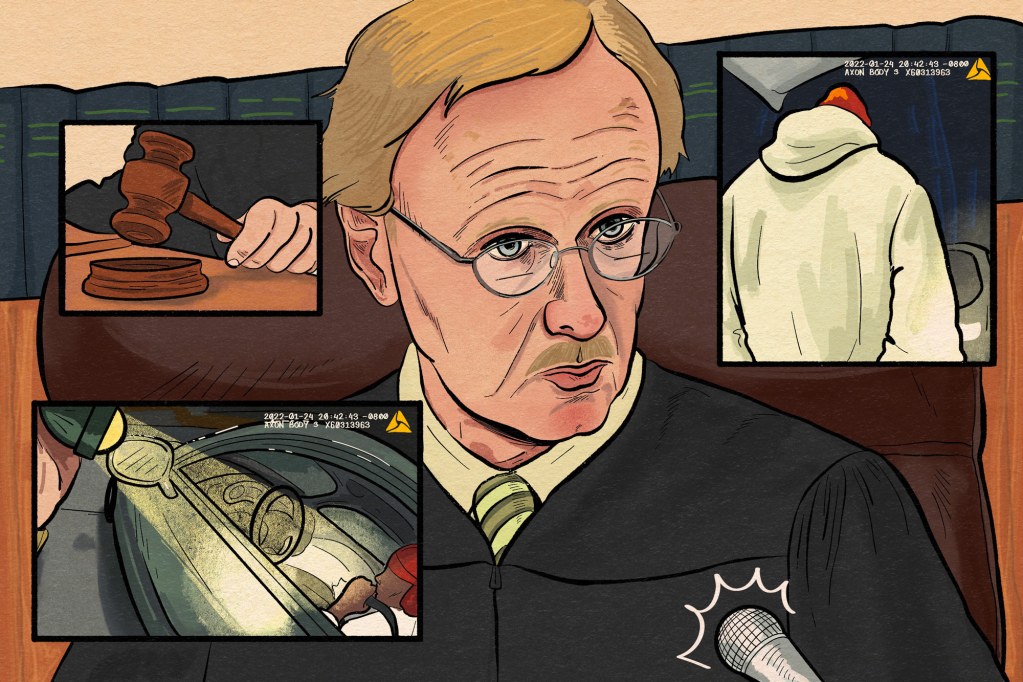
Two years ago, when a police officer pulled over a San Diego State University student, the man driving the car made a comment about why the cop had pulled him over.
“We saw you turn around because you saw two guys – two Black guys in the car – obviously,” Tommy Bonds III, the student, can be heard saying to San Diego Police officer Ryan Cameron on a body camera recording.
“Well, part of it,” the officer said. “With hoodies up and stuff.”
Police arrested Bonds III for having a concealed weapon in his vehicle. Although he legally owned the gun, it’s illegal to have a gun in a seat pocket without a concealed carry permit in California. But the student’s defense team felt that Cameron’s admission could fit the criteria of a new law aimed at cases tainted with bias, writes reporter Sean Kevin Campbell.
In a new investigation, CalMatters and the Garrison Project reveal that although the Racial Justice Act allows defendants and their attorneys to put bias on the stand, it has rarely worked since the Legislature passed it in 2020.
The law’s greatest obstacle? Judges. In Bonds III’s case, San Diego Judge Howard Shore didn’t buy the bias claim and questioned if the law even gave judges enough guidance.
“Shore said he was also skeptical of the conclusions of experts and statistics showing that Black people are subjected to traffic stops more frequently than other races,” Campbell writes. “He said he believed Officer Cameron’s testimony that he didn’t see Bonds’ race before conducting the stop, and therefore there was no bias. Shore denied Bonds’ motion for relief under the Racial Justice Act.”
How Much Should San Diego Charge for Trash Pick Up?
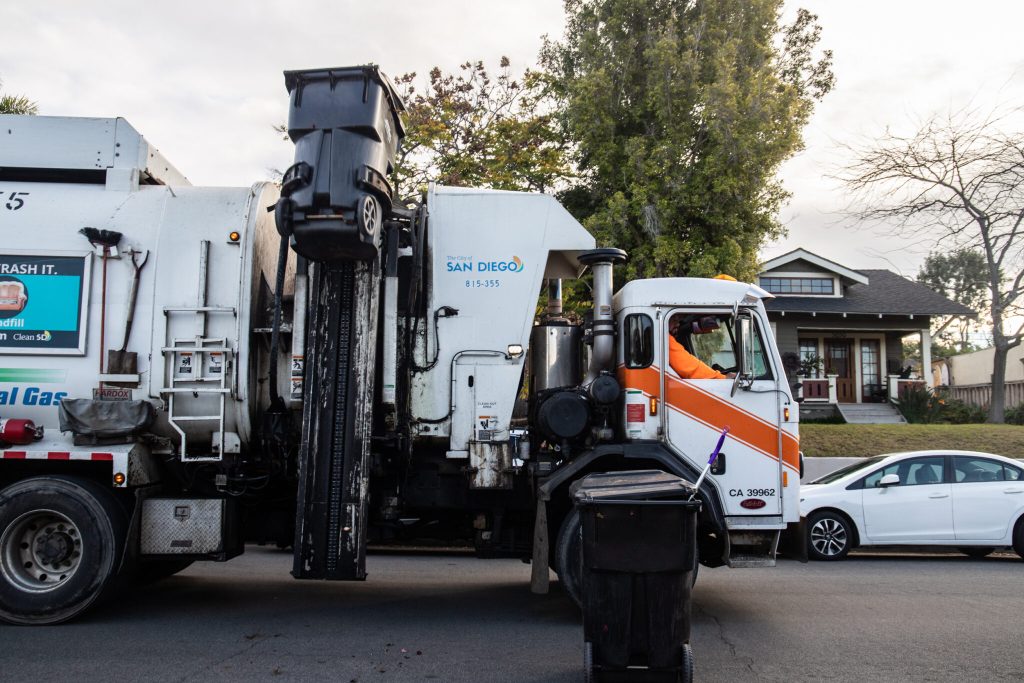
Two years since San Diegans agreed to let the city charge them for trash collection but no word yet on how much it’ll be.
The city’s talking about adding the trash fee twice a year to property tax bills, viewed as a more reliable form of collection than a city-run, separate trash billing service.
But that could become a problem for renters who never see their landlord’s property tax bill and could be overcharged by dishonest property owners, warned San Diego City Council President Sean Elo-Rivera according to an article in the Union-Tribune. Landlords charge tenants for things like trash, water and parking through ratio utility billing, a billing process that lacks transparency and has already harmed renters in the San Diego area, Voice of San Diego reported.
Providing free trash collection costs the city’s Public Utilities Department around $80 million a year. Most single-family homes get no-cost trash pick up in the city of San Diego since citizens passed a law preventing such a charge in 1919. Voters overturned that law in 2022, but the city’s just begun engaging the public at a series of feedback-gathering meetings kicked off in August. Attend a forum and weigh-in at cleangreensd.org.
In Other News
- A San Diego real estate professional and philanthropist argues in a new op-ed for Voice of San Diego that short-term rentals are making it harder for San Diegans to find homes. Read the full piece here.
- A creator of the movie franchise Air Bud has been living in a North County homeless shelter for the past several months. Friends have started a fundraiser to help him get back on his feet. (NBC 7)
- Oceanside Unified School District is joining a lawsuit against several big pharmaceutical companies, as well as several pharmacy benefit managers including CVS Caremark. The lawsuit alleges the companies colluded to hike up the price of insulin. Some of the companies have called the suit baseless. (NBC 7)
- San Diego’s landscape can feel singularly desert-like, but it is actually the most biodiverse county in the United States, according to a new PBS documentary. Check out bobcats, superblooms and orcas eating dolphins. (Axios)
The Morning Report was written by Will Huntsberry and Andrea Lopez-Villafaña. It was edited by Andrea Lopez-Villafaña.
Who refers to UCLA as UC Los Angeles?